Are There Forgotten Civilizations Beneath the Ice?
As climate change accelerates glacier melt, the question of forgotten civilizations beneath the ice gains traction. Ancient artifacts, tools, and textiles are surfacing, hinting at thriving societies in once-hostile environments. These discoveries raise intriguing questions about human resilience and adaptation. What else might lie hidden under the ice, waiting to reshape our understanding of history? The potential for new revelations about these lost cultures is vast and worth exploring further.
Introduction
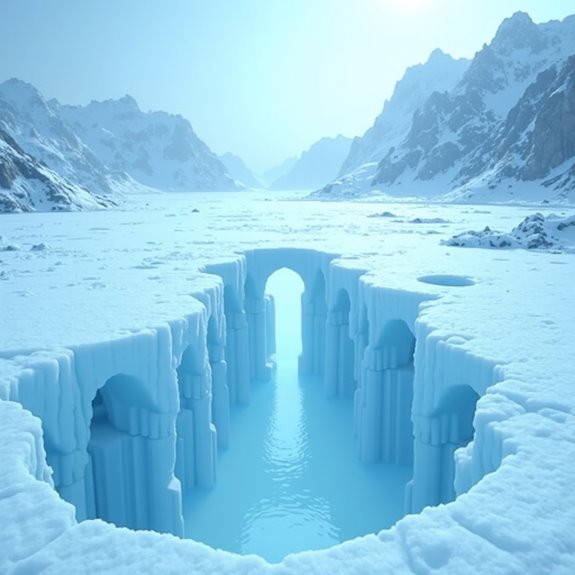
As climate change continues to reshape our planet, ancient civilizations, once buried beneath ice, are slowly being revealed. These hidden societies, encased in glaciers for centuries, offer valuable insights into human history and resilience. Archaeologists and researchers enthusiastically uncover artifacts and structures, piecing together stories that long remained silent. The melting ice not only exposes remnants of daily life but also highlights how climate shifts affected ancient peoples. While some may view these findings as mere curiosities, they serve as reminders of humanity’s past interactions with the environment. Each discovery sheds light on adaptation strategies and cultural practices, emphasizing the strong connections between civilizations and the natural world. As excavations progress, lost narratives are slowly emerging from the frost, revitalizing interest in forgotten histories.
Ancient Glaciers Reveal Civilizations
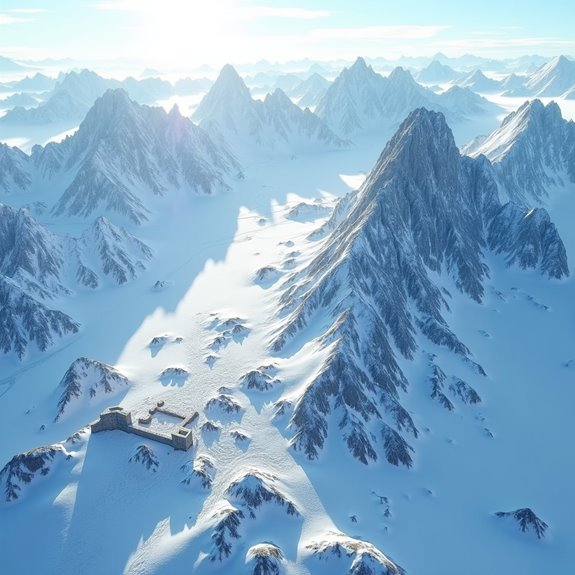
While the world has often regarded glaciers as mere icy landscapes, they have now emerged as time capsules that reveal the stories of ancient civilizations. Archaeologists and researchers have recently discovered remnants encased in ice, showcasing remarkable artifacts and structures from long-lost cultures. These glacial finds include tools, textiles, and even skeletons, providing insights into the daily lives of those who once thrived in harsh environments. The preservation qualities of ice shield these relics from decay, allowing scholars to piece together histories that otherwise may have remained hidden. As the climate continues to change, scientists hope to uncover even more of these fascinating remnants, shining light on how ancient societies adapted to their freezing surroundings and ultimately vanished.
Notable Cases or Sightings
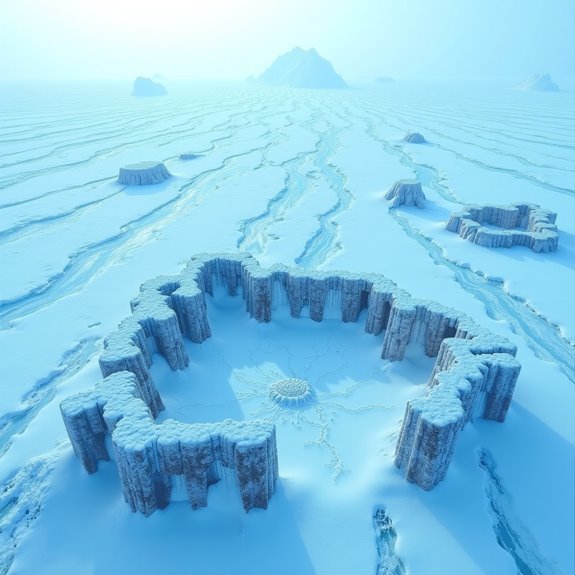
Researchers have made remarkable discoveries in various glacial regions, highlighting the depth of history buried beneath the ice. In the Italian Alps, ancient stone structures have surfaced, hinting at a once-thriving community. Similarly, in Greenland, archaeologists uncovered over a dozen ancient hunting sites, revealing tools and artifacts that suggest seasonal habitation by local tribes. In Antarctica, satellite imagery has helped identify strange formations that some believe could be remnants of long-lost civilizations. Additionally, the Icelandic glaciers recently yielded remnants of Viking settlements, providing clues about their adaptability to harsh climates. Each of these notable cases sparks intrigue, inviting further exploration into the potential existence of civilizations long-hidden beneath the ice, waiting to share their stories with the world.
Common Theories or Explanations
Many scholars propose that the climatic shifts over millennia have played an essential role in the preservation of civilizations beneath ice. They argue that as temperatures fluctuated, glaciers expanded and contracted, creating conditions that might have hidden ancient societies. Some believe these civilizations thrived during warmer periods and retreated as the ice advanced, leaving them buried and forgotten.
Others point to geological evidence suggesting significant human activity in regions now cloaked in ice, proposing that advanced technologies may have existed far earlier than previously thought. Additionally, theories about lost trade routes and cultural exchanges provide explanations for why these societies vanished. While definitive proof remains elusive, these ideas spark curiosity and fuel ongoing research into potentially forgotten worlds beneath the ice.
Frequently Asked Questions
What Methods Are Used to Search for Civilizations Under Ice?
Researchers utilize ground-penetrating radar, ice-penetrating sonar, and satellite imagery to search for civilizations beneath ice. They analyze data meticulously, employing advanced technology to uncover hidden structures and artifacts from ancient societies long buried in frozen landscapes.
How Do Scientists Date Artifacts Found in Glacial Regions?
Scientists date artifacts found in glacial regions using techniques like radiocarbon dating, dendrochronology, and stratigraphy. They analyze material layers and organic remains, uncovering the age and context of these historical remnants effectively over time.
Are There Any Expeditions Planned to Explore These Hidden Sites?
Several expeditions are planned to explore hidden sites beneath the ice. Researchers aim to uncover artifacts and evidence of past civilizations, hoping to learn more about history and expand our understanding of human habitation in these regions.
What Impact Do Climate Changes Have on Discovering These Civilizations?
Climate changes accelerate ice melt, revealing potential archaeological sites. Scientists believe warmer temperatures could uncover remnants of ancient societies, but they also raise concerns about preservation, as faster deterioration threatens these discoveries before they’re fully understood.
Has Any Evidence Ever Been Deemed Fraudulent or Exaggerated?
Yes, some evidence has been considered fraudulent or exaggerated. Researchers have debunked claims about artifacts and ruins, emphasizing the need for careful validation. Skepticism remains crucial to distinguish fact from fiction in archaeological discoveries.

The Mystery of the Phaistos Disc

The Tower of Babel: Myth Vs Reality

What Happened to Percy Fawcett in the Amazon?
About The Author
