The Bell Witch Revisited: Modern Investigations
The Bell Witch case hasn’t lost its grip on investigators after two centuries. Modern researchers now apply forensic techniques to yellowed documents and conduct DNA analysis on artifacts from the Bell family farm. They’re uncovering inconsistencies in witness testimonies that earlier historians missed. What they’ve found challenges everything scholars thought they knew about America’s most documented haunting—and raises disturbing questions about what really happened to the Bell family in 1817.
Introduction
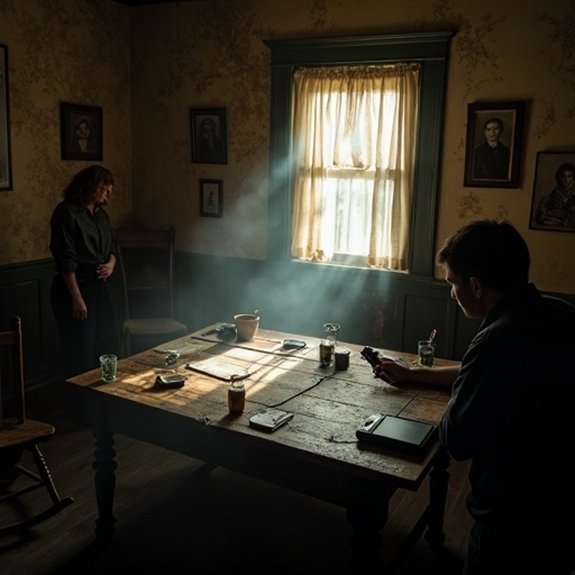
When John Bell first settled his family on the Red River in Robertson County, Tennessee, in 1804, he couldn’t have imagined that his name would become synonymous with America’s most documented haunting. The Bell Witch phenomenon terrorized the Bell family from 1817 to 1821, attracting widespread attention and spawning countless investigations. This entity allegedly possessed supernatural abilities, speaking, singing, and physically attacking family members. It’s credited with causing John Bell’s death in 1820, marking the only recorded case in American history where a spirit allegedly killed someone. Modern researchers haven’t stopped examining this case. They’ve employed scientific methods, interviewed descendants, and analyzed historical documents to separate fact from fiction. Today’s investigators bring fresh perspectives to this centuries-old mystery that continues enchanting paranormal enthusiasts worldwide.
Tennessee Frontier Family’s 1817 Torment
Strange knocking sounds echoed through the Bell family’s log cabin during the summer of 1817, marking the beginning of their four-year ordeal. John Bell, a prosperous farmer in Robertson County, Tennessee, initially dismissed the disturbances as typical frontier noises. His wife Lucy and their nine children soon couldn’t ignore the escalating phenomena.
The entity pulled bedcovers, slapped family members, and whispered threats in the darkness. It particularly targeted John’s youngest daughter, Betsy, yanking her hair and leaving welts on her skin. The force grew bolder, manifesting a woman’s voice that sang hymns, quoted scripture, and revealed neighbors’ secrets. John Bell’s health deteriorated under constant torment. By December 1820, he’d died mysteriously, with the entity claiming responsibility for poisoning him.
Notable Cases or Sightings
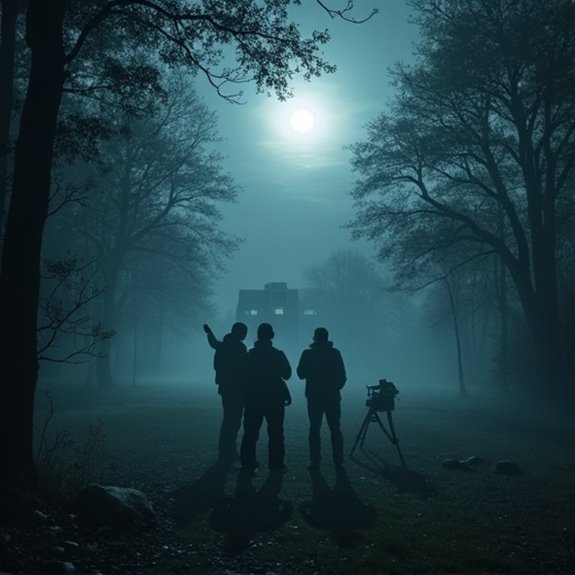
While the Bell family’s encounter remains the most documented case, other witnesses throughout the 19th century reported their own experiences with the entity. General Andrew Jackson visited the Bell farm in 1819 and claimed his horses froze on the property’s border until an invisible force released them. His men reported hearing the witch’s laughter that night.
Local teacher Richard Williams documented strange occurrences in 1825, including objects moving without explanation and disembodied voices near the Bell property. The Gunn family, who purchased the land in 1850, abandoned it after reporting similar disturbances.
In 1894, newspaper reporter Martin Ingram interviewed elderly residents who’d witnessed phenomena firsthand. They described seeing mysterious lights, hearing unexplained knocking, and finding dead animals arranged in peculiar patterns around the former Bell homestead.
Common Theories or Explanations
Since the Bell Witch phenomenon first captured public attention, researchers and skeptics have proposed numerous explanations for the haunting. Some historians suggest the events were elaborate hoaxes orchestrated by Betsy Bell herself, possibly to escape an unwanted engagement. Others theorize that natural phenomena—underground caves producing strange acoustics, or seismic activity causing unexplained movements—created the illusion of supernatural activity.
Psychological explanations include mass hysteria and collective delusion, amplified by the family’s isolation and religious beliefs. Medical researchers’ve proposed that ergot poisoning from contaminated grain could’ve caused hallucinations among household members. Modern investigators point to sleep paralysis and hypnagogic hallucinations as potential culprits. Folklore experts argue the legend grew through oral tradition, with each retelling adding embellishments that transformed mundane events into supernatural encounters.
Frequently Asked Questions
What Modern Scientific Equipment Do Paranormal Investigators Use at the Bell Witch Site?
Paranormal investigators use EMF detectors, thermal imaging cameras, digital voice recorders, and motion sensors at the Bell Witch site. They’re employing full-spectrum cameras and REM pods to detect electromagnetic fluctuations and potential spirit activity.
Can Tourists Visit the Bell Witch Cave Today?
Yes, tourists can visit Bell Witch Cave in Adams, Tennessee. The privately owned attraction offers guided tours from May through October. Visitors explore the cave’s limestone passages while guides share the legendary haunting’s history.
Are There Any Living Descendants of the Bell Family?
Yes, there’re living descendants of the Bell family throughout Tennessee and other states. Several descendants have participated in documentaries and interviews about their famous ancestor John Bell and the supernatural events that allegedly plagued their family.
What Movies or Documentaries Have Been Made About the Bell Witch?
Several films have explored the Bell Witch legend, including “An American Haunting” (2005) starring Donald Sutherland, “The Bell Witch Haunting” (2013), and documentaries like “The Bell Witch Legend” (2008). They’ve attracted audiences fascinated by paranormal stories.
How Much Does It Cost to Tour the Historic Sites?
Tours of the Bell Witch Cave in Adams, Tennessee typically cost around $15-20 per adult. The nearby Historic Bell Witch Farm Trail doesn’t charge admission, though donations are accepted. Prices vary seasonally and group rates’re available.

The Ghosts of Pompeii & Herculaneum

Ghosts in the Swamps: Bayou Hauntings

Ghosts in Abandoned Hospitals
About The Author
