The Phoenix in Modern Fiction Vs Myth
The phoenix’s transformation from ancient sacred symbol to modern metaphor reveals humanity’s shifting relationship with renewal. While Egyptian priests once chronicled the Bennu bird’s divine appearances along the Nile, today’s storytellers reimagine the creature as a mirror for personal resilience. This evolution isn’t just literary adaptation—it’s a fundamental rewriting of what rebirth means. The question remains: what drove this dramatic shift from celestial phenomenon to intimate human experience?
Introduction

When ancient civilizations first glimpsed birds soaring through smoke and flame during volcanic eruptions, they couldn’t have imagined their observations would inspire one of mythology’s most enduring symbols. The phoenix has transcended its mythological origins to become a powerful metaphor in contemporary storytelling. Modern authors haven’t merely borrowed this creature; they’ve transformed it into something distinctly different from its ancient counterpart.
Today’s phoenix appears in countless novels, films, and television series, each interpretation reflecting current cultural anxieties and aspirations. While classical myths presented the phoenix as a singular, divine creature representing cosmic cycles, modern fiction often democratizes the symbol. Writers now explore themes of personal trauma, societal collapse, and individual resilience through the phoenix’s death-and-rebirth narrative. This evolution reveals how mythological symbols adapt to address contemporary human experiences.
Ancient Egyptian Bennu Bird
Before Greek and Roman cultures popularized the phoenix myth, ancient Egyptians worshipped the Bennu bird as a symbol of renewal and the flooding of the Nile. This sacred heron-like creature represented the sun god Ra’s soul and appeared in creation myths dating back to 2600 BCE. Egyptians believed the Bennu created itself from fire atop the benben stone in Heliopolis.
The bird’s connection to cyclical rebirth came from its association with the Nile’s annual floods, which brought fertile soil to farmlands. Unlike later phoenix myths, the Bennu didn’t burn itself to resurrect. Instead, it’d fly from Arabia every 500 years carrying its predecessor’s body encased in myrrh. This original mythology established core themes that’d shape the phoenix legend for millennia.
Notable Cases or Sightings
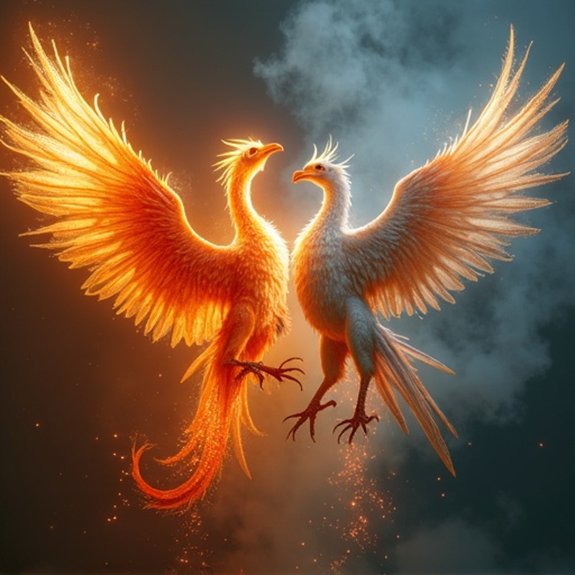
Throughout history, people’ve claimed to witness phoenix-like birds, though these accounts blur the line between folklore and fabricated tales. Medieval chroniclers documented supposed sightings near Mount Lebanon, where witnesses described enormous birds with golden plumage bursting into flames at sunset. In 1660, Dutch sailors reported seeing a “fire bird” off Madagascar’s coast that allegedly ignited itself before diving into the ocean.
More recently, cryptozoologists’ve investigated reports from Arizona’s Superstition Mountains, where hikers claim they’ve spotted large, red-feathered birds with unusual heat signatures. A 1997 incident in Egypt’s Western Desert involved multiple witnesses who photographed what they believed was a Bennu bird near ancient ruins, though ornithologists later identified it as a rare flamingo species. These accounts persist despite lacking scientific verification.
Common Theories or Explanations
While skeptics dismiss phoenix sightings as misidentification or hoaxes, several theories attempt to explain the enduring myth’s origins. Some historians propose the legend stemmed from ancient peoples’ observations of flamingos or peacocks, whose vibrant plumage resembled fire. Others suggest Egyptians witnessing the sun’s daily “death” and “rebirth” inspired the cyclical narrative.
Natural phenomena offer compelling explanations. Spontaneous combustion of oily bird nests in extreme heat could’ve created the burning bird imagery. Additionally, the Asian practice of cremating birds during religious ceremonies may have influenced travelers’ accounts.
Modern psychologists argue the phoenix represents humanity’s universal desire for renewal and second chances. Jung classified it as an archetype of transformation. These theories don’t validate literal existence but explain why the myth persists across cultures and millennia.
Frequently Asked Questions
How Do Modern Authors Reimagine Phoenix Resurrection Differently From Traditional Mythology?
Modern authors often portray phoenix resurrection as painful transformation rather than instantaneous rebirth. They’ve added psychological depth, showing characters’ memories persisting through cycles, while traditional myths simply depicted the bird’s physical renewal from ashes.
Which Contemporary Novels Feature Phoenixes as Main Characters Rather Than Symbols?
Contemporary novels featuring phoenixes as main characters include Claudia Gray’s “Firebird” trilogy, where they’re dimensional travelers, and S.F. Said’s “Phoenix,” starring a magical bird hero. Rachel Vincent’s “Menagerie” series also prominently features phoenix protagonists.
What Cultural Variations of the Phoenix Exist Beyond Egyptian and Greek Versions?
Chinese Fenghuang represents harmony and virtue, while Persian Simurgh possesses healing powers. Japan’s Ho-oh brings prosperity, and Slavic Firebird’s feathers illuminate darkness. Native American Thunderbird controls storms, though it’s technically distinct from phoenix mythology.
How Has CGI Technology Influenced Phoenix Depictions in Film Adaptations?
CGI technology’s transformed phoenix depictions into spectacular visual experiences. Filmmakers now create realistic fire effects, intricate feather details, and dramatic rebirth sequences that weren’t possible with practical effects. Modern phoenixes showcase dynamic movements and ethereal qualities.
What Symbolic Meanings Do Phoenixes Carry in Young Adult Fantasy Literature?
In young adult fantasy literature, phoenixes typically symbolize rebirth, transformation, and resilience. They’re often metaphors for teenage protagonists’ personal growth, representing hope after trauma, the power of sacrifice, and the cyclical nature of self-discovery.



About The Author
