The Death of Heroes: Mythic Endings
Throughout history, societies have immortalized their fallen champions through elaborate death narratives that transcend mere storytelling. These mythic endings don’t just mark a hero’s demise—they transform mortality into something greater. From Achilles’ prophesied fall at Troy to Beowulf’s dragon battle, cultures have crafted these final moments with deliberate care. But why do civilizations need their heroes to die? The answer reveals something profound about humanity’s relationship with death itself.
Introduction
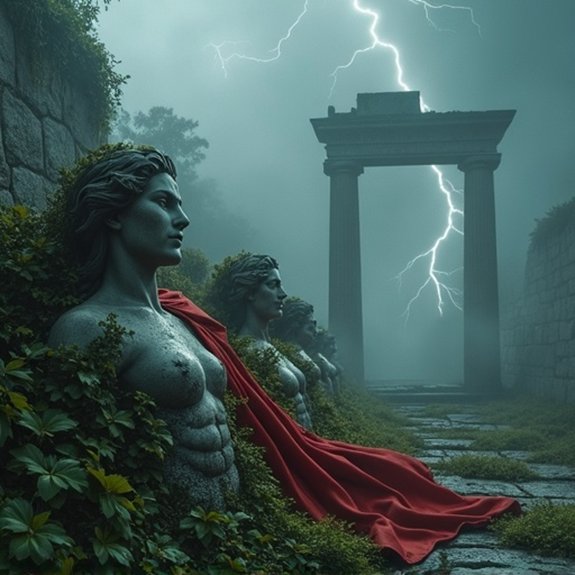
When ancient civilizations collapsed and their stories faded into memory, they left behind powerful narratives about how worlds end. These mythic conclusions don’t merely chronicle destruction—they reveal humanity’s deepest anxieties about mortality, justice, and cosmic order. From Norse Ragnarök to Hindu cycles of dissolution, every culture’s crafted elaborate scenarios depicting final battles, divine judgments, and ultimate changes.
The death of heroes serves as the cornerstone of these apocalyptic tales. Whether it’s Achilles falling at Troy or Thor battling the World Serpent, heroic sacrifice marks the change between ages. These endings aren’t random catastrophes but carefully orchestrated conclusions where champions confront their destinies. Through examining these patterns across cultures, we’ll discover how mythic endings shaped civilization’s understanding of closure, renewal, and the price of transcendence.
Ancient Greek Hero Cults
Greek communities transformed their fallen heroes into objects of worship, creating sacred sites where mortals could petition the mighty dead. These hero cults emerged around tombs believed to contain legendary warriors, kings, and founders. Citizens brought offerings of wine, oil, and blood sacrifices to gain the heroes’ protection. Achilles’ cult at Troy drew pilgrims seeking martial prowess, while Theseus’s shrine in Athens promised civic unity.
The dead heroes weren’t gods but occupied a unique position between divine and mortal domains. They’d intervene in local affairs, cure diseases, and defend their territories against invaders. Communities carefully maintained these relationships through annual festivals and rituals. Breaking cult protocols risked the hero’s wrath—abandoned shrines meant plague, defeat, or famine until proper worship resumed.
Notable Cases or Sightings
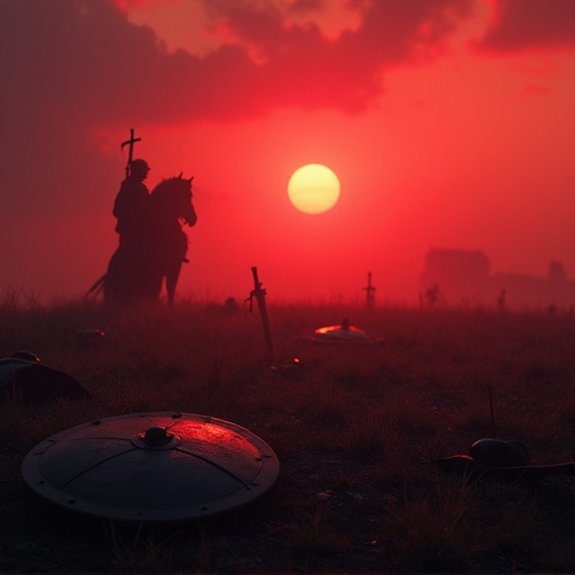
Although most hero cult activities occurred at established shrines, ancient sources record numerous encounters with the heroic dead outside their sacred precincts. Pausanias described witnessing Marathon’s phantom warriors reenacting their famous battle on moonlit nights. Local farmers claimed they’d heard bronze clashing and men shouting in the darkness. At Thermopylae, travelers reported seeing Leonidas’s ghost defending the pass against invisible enemies.
Herodotus documented how the hero Astrabacus appeared to Spartan soldiers before vital battles, while Plutarch recorded multiple sightings of Theseus fighting alongside Athenians at Marathon. Ships’ crews swore they’d seen Achilles’s specter on his island tomb in the Black Sea, where he supposedly held nocturnal feasts. These manifestations weren’t considered unusual—Greeks expected their heroes to remain active participants in mortal affairs.
Common Theories or Explanations
While modern scholars debate the psychological and social functions of hero cults, ancient Greeks themselves offered various explanations for posthumous appearances. They believed heroes didn’t fully die but transformed into protective spirits called daimones. These beings could intervene in mortal affairs, particularly defending their burial sites and former cities.
Some theorized that heroes achieved a state between mortality and divinity through their exceptional deeds. Others claimed they’d been physically transported to blessed territories like Elysium or the Islands of the Blessed, where they lived eternally. Mystery religions taught that certain rituals could grant heroes apotheosis—elevation to godhood itself.
Pragmatic explanations also existed. Some Greeks suggested that “sightings” were actually dreams sent by the gods or misidentified living warriors who resembled legendary figures.
Frequently Asked Questions
How Do Modern Superhero Deaths in Comics Reflect Ancient Mythic Hero Death Patterns?
Modern superhero deaths mirror ancient mythic patterns through sacrificial endings, heroic last stands, and inevitable resurrections. They’ve transformed classical tragedy into serialized drama, where death becomes a temporary state that tests characters’ legacies and meanings.
What Psychological Impact Does a Hero’s Death Have on Cultural Identity?
A hero’s death triggers collective mourning that reshapes cultural values. Society doesn’t just lose a symbol; it confronts mortality, questions its beliefs, and often transforms the fallen hero into a more powerful mythic figure.
Are There Specific Rituals Performed When Mythic Heroes Die Across Different Cultures?
Various cultures perform elaborate death rituals for mythic heroes. Greeks held funeral games, Norse warriors sought Valhalla through battle-death ceremonies, while Japanese samurai practiced seppuku. Many societies create shrines, compose epic songs, and establish memorial festivals.
How Do Hero Death Narratives Influence Contemporary Literature and Film?
Hero death narratives shape contemporary stories through redemptive sacrifice tropes, mentor deaths that propel protagonists forward, and tragic endings that explore mortality’s meaning. They’ve influenced everything from superhero films to fantasy epics, creating powerful emotional resonance.
What Role Does Resurrection Play in Hero Death Mythology?
Resurrection transforms hero deaths into temporary sacrifices, allowing characters to return with greater wisdom or power. It’s become mythology’s ultimate narrative device, representing renewal, redemption, and humanity’s desire to conquer mortality through transformative rebirth.

The Legend of the Thunderbird & Whale
The Secrets of the Oracle at Delphi
The Qere & Keter: Jewish Mystical Creatures
About The Author
