The Black Woman Myth Archetype
The Black woman myth archetype‘s transformed from colonial-era caricatures into symbols of sacred power and resistance. She’s emerged through centuries of oral traditions, artistic movements, and cultural practices that’ve challenged oppressive narratives. Modern scholars trace her evolution from harmful stereotypes to empowered representations of motherhood, healing, and revolution. But the archetype’s most profound impact isn’t found in academic texts—it’s hidden in the spaces where culture and spirituality intersect.
Introduction
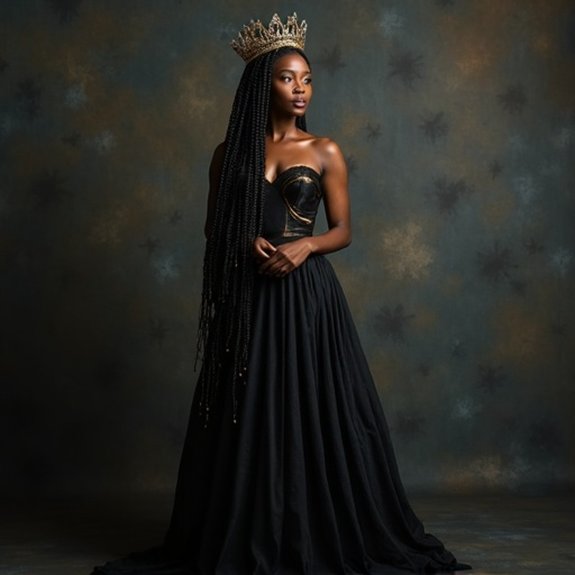
The Black woman stands as one of mythology’s most complex yet underrepresented archetypes, embodying profound dualities of strength and suffering, creation and resistance, wisdom and warrior spirit. She’s emerged through centuries of oral traditions, spiritual practices, and cultural narratives that mainstream mythology often overlooks. This archetype transcends simple categorization, weaving together roles of mother, healer, revolutionary, and sage into a singular powerful presence.
From African cosmologies to diasporic folklore, she’s appeared as divine creator, cunning trickster, and protective ancestor. Her mythological significance reflects real-world experiences of resilience against oppression while maintaining cultural identity. Understanding this archetype requires examining how colonialism suppressed these narratives and how contemporary storytellers reclaim them. This exploration reveals not just forgotten myths but essential wisdom about survival, transformation, and the sacred feminine’s multifaceted nature.
Colonial Era Stereotypes Emerged
During the colonial period, European powers manufactured harmful stereotypes that deliberately distorted the Black woman’s mythological and cultural significance into degrading caricatures. These fabricated images served colonial interests by justifying enslavement and exploitation. Colonizers stripped away the divine feminine attributes that African cultures had celebrated for millennia, replacing them with dehumanizing tropes.
The “Mammy” stereotype emerged as a docile, maternal figure who’d contentedly serve white families. The “Jezebel” archetype portrayed Black women as hypersexual temptresses, rationalizing sexual violence against them. The “Sapphire” caricature depicted them as angry and emasculating. These toxic myths weren’t accidental—they’re calculated propaganda tools designed to maintain racial hierarchies. By denying Black women’s humanity, complexity, and sacred heritage, colonial powers attempted to erase their true archetypal power and cultural importance.
Notable Cases or Sightings
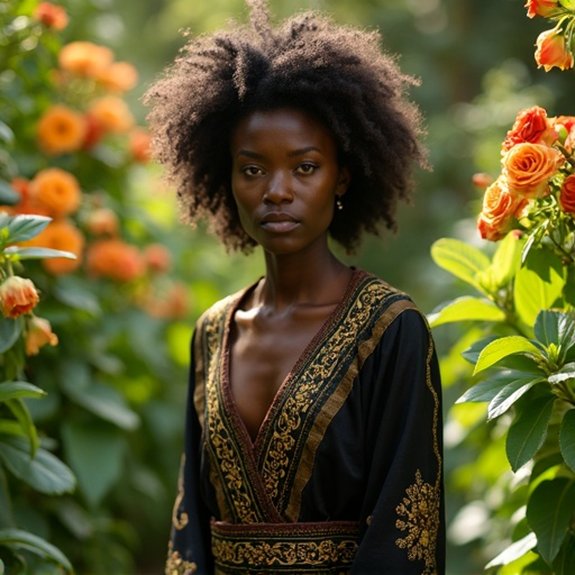
Contemporary movements and cultural productions have powerfully reclaimed Black women’s archetypal significance, countering centuries of colonial distortion. Beyoncé’s “Black Is King” visual album reimagined African mythology through Black women’s divine imagery, while films like “Black Panther” centered warrior queens and spiritual guides. Literary works by Toni Morrison and N.K. Jemisin’ve reconstructed mythic narratives with Black women as cosmic forces and cultural anchors.
Social media campaigns like #BlackGirlMagic’ve transformed digital spaces into sites of archetypal reclamation. Artists like Kara Walker and Mickalene Thomas directly confront historical stereotypes through provocative reinterpretations. Academic scholars’ve documented how grassroots movements position Black women as prophetic voices and community healers. These contemporary expressions don’t merely resist colonial myths—they’re actively creating new archetypal frameworks rooted in authentic cultural memory and future-oriented vision.
Common Theories or Explanations
Three primary theoretical frameworks attempt to explain the persistence and power of Black women’s archetypal representations across cultures. Jung’s collective unconscious theory suggests these archetypes emerge from humanity’s shared psychological inheritance, manifesting as universal symbols of feminine strength and wisdom. Cultural transmission theorists argue that migration patterns and diaspora experiences’ve spread and reinforced these mythic figures through oral traditions and ritualistic practices.
The intersectional framework examines how race, gender, and spirituality converge to create unique archetypal expressions that resist dominant narratives. Scholars note Black women’s mythic representations often embody dual aspects—creator and destroyer, nurturer and warrior—reflecting complex social realities. These theories don’t compete but rather complement each other, offering multilayered explanations for why these archetypes’ve maintained their cultural relevance and transformative power across temporal and geographic boundaries.
Frequently Asked Questions
How Do These Stereotypes Affect Black Women’s Mental Health Today?
These stereotypes create immense psychological pressure, forcing Black women to suppress emotions and overperform. They’re expected to be unbreakably strong, leading to increased anxiety, depression, and burnout while discouraging them from seeking necessary mental health support.
What Role Does Media Representation Play in Perpetuating These Myths?
Media representations reinforce harmful myths through one-dimensional portrayals that typecast Black women as angry, hypersexual, or selflessly strong. These limited roles shape public perception, normalize stereotypes, and restrict authentic storytelling that’d reflect Black women’s diverse experiences.
How Can Allies Effectively Challenge These Stereotypes in Daily Life?
Allies can challenge stereotypes by interrupting biased comments, amplifying Black women’s voices without speaking for them, examining their own assumptions, supporting Black women-led initiatives, and educating themselves about intersectionality. They’ll create change through consistent, respectful action.
What Contemporary Movements Are Working to Dismantle These Archetypes?
Contemporary movements like Black Lives Matter, #SayHerName, and Black feminist collectives actively dismantle these archetypes through media representation campaigns, academic scholarship, social media activism, and grassroots organizing that centers Black women’s authentic narratives and experiences.
How Do These Myths Impact Black Women in Professional Settings?
These myths create damaging double-binds where Black women face penalties for being “too aggressive” while they’re simultaneously expected to be nurturing caretakers. They encounter heightened scrutiny, must code-switch constantly, and often don’t receive equal advancement opportunities.

The Star Myths: Pleiades, Orion

The Chthonic Deities of the Underworld

The Minotaur: Labyrinth Myths
About The Author
