The Easter Dragon / Serpent Myths
Eastern European villages have whispered about Easter dragons for centuries, yet few scholars have traced these serpentine legends to their true origins. While most assume they’re simple spring folklore, the connection runs deeper—threading through Mesopotamian creation myths where primordial serpents shaped the cosmos itself. These creatures haven’t just survived in stories; witnesses claim they’ve seen them during Easter celebrations, blessing fields and transforming before believers’ eyes. In this context, the twin serpents mythology explained reveals a fascinating interplay between ancient beliefs and modern rituals. These serpents, often depicted as protectors of the harvest, embody the duality of destruction and regeneration, linking seasonal changes to the cycle of life. As communities celebrate these age-old traditions, the legends of the twin serpents continue to influence their connection to nature and the divine.
Introduction
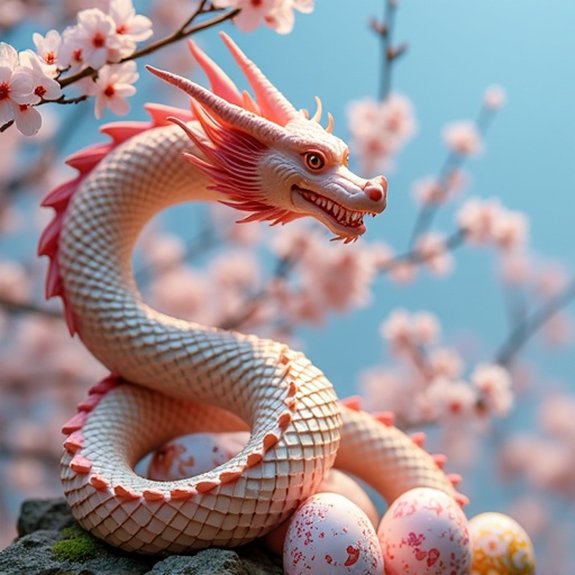
While dragons typically evoke images of fire-breathing beasts guarding treasure hoards, Easter traditions have woven these mythical creatures into springtime celebrations across various cultures. Eastern European folklore depicts dragons awakening from winter slumber during Easter week, symbolizing nature’s rebirth. Medieval manuscripts show serpentine creatures alongside resurrection imagery, blending pagan and Christian symbolism.
These myths aren’t merely decorative tales. They’ve shaped regional customs, from dragon-shaped bread in Germanic villages to serpent dances performed during Orthodox Easter festivities. The connection stems from ancient beliefs linking serpents to renewal through their skin-shedding ability. Dragons represented both death’s conquest and life’s triumph—themes central to Easter’s meaning. This duality made them powerful symbols in springtime narratives, bridging pre-Christian traditions with newer religious observances across Europe and beyond.
Ancient Mesopotamian Creation Stories
Though Easter dragon myths emerged across medieval Europe, their symbolic roots trace back to ancient Mesopotamian creation stories that first portrayed serpentine beings as cosmic forces of renewal. The Babylonian Enuma Elish depicts Tiamat, a primordial dragon goddess, whose death and dismemberment create the cosmos. Her body becomes earth and sky, establishing the archetype of death yielding new life.
Similarly, the Sumerian myth of Ninurta’s victory over the dragon Asag transforms barren land into fertile fields. These narratives established dragons as embodiments of chaos that must die for order to emerge. This death-rebirth cycle directly influenced later religious traditions, including Christianity’s adoption of dragon symbolism. Medieval Easter plays would eventually incorporate these ancient motifs, presenting dragons as obstacles Christ overcomes through resurrection.
Notable Cases or Sightings
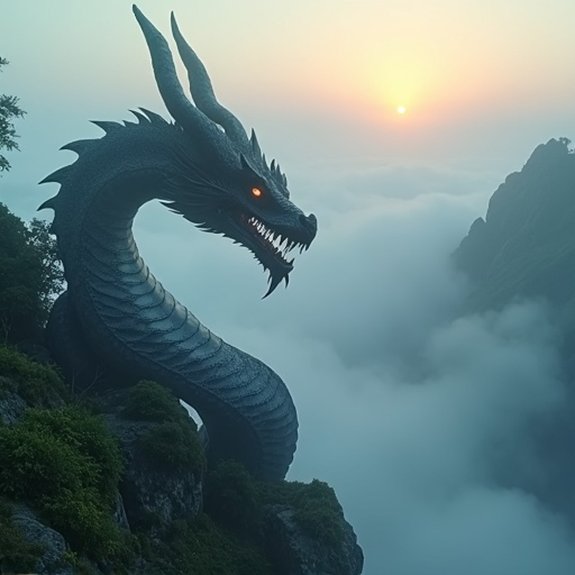
Medieval chronicles document several alleged Easter dragon encounters that captivated European communities during the spring festivals. In 1345, villagers near Prague reported a golden serpent emerging from the Vltava River on Easter morning, supposedly blessing their crops before vanishing. The creature’s appearance coincided with the region’s most abundant harvest in decades.
England’s Suffolk Chronicle describes a 1420 sighting where monks witnessed a winged dragon circling their abbey three times during Easter Mass. They interpreted it as divine approval of their newly completed manuscript illuminations.
Bavaria’s most famous case occurred in 1507 when multiple witnesses claimed they’d seen a crimson dragon lay eggs near a church, which transformed into painted stones children still searched for during Easter celebrations centuries later.
Common Theories or Explanations
As spring festivals merged with Christian traditions across medieval Europe, scholars have proposed several explanations for the recurring Easter dragon phenomena. Folklorists suggest these myths represent winter’s defeat by spring, with dragons embodying darkness and cold conquered by resurrection’s light. The serpent’s symbolic connection to Satan in Christian theology likely reinforced existing pagan beliefs about seasonal battles between good and evil forces.
Anthropologists argue that dragon sightings during Easter week reflect hallucinogenic effects from ergot-contaminated grain, common in medieval monasteries’ Lenten bread. Others propose that unusual atmospheric conditions during spring equinoxes created optical illusions, transforming cloud formations into serpentine shapes. Some historians link the traditions to Viking influence, where dragon imagery pervaded religious storytelling and merged with local Christian narratives during cultural exchanges.
Frequently Asked Questions
How Do Easter Dragon Myths Vary Between Eastern and Western Christian Traditions?
Western traditions depict Christ’s victory over Satan as dragon-slaying, emphasizing triumph over evil. Eastern Orthodox traditions incorporate serpent imagery in resurrection icons, showing Christ trampling the serpent while liberating souls from Hades’s domain.
What Symbolic Colors Are Traditionally Associated With Easter Dragons in Different Cultures?
Easter dragons aren’t traditionally associated with specific colors across cultures since they’re primarily Western medieval symbols. When depicted, they’re typically shown in dark hues—black, red, or green—representing evil that Christ conquers through resurrection.
Are There Specific Rituals or Ceremonies Involving Dragon Imagery During Easter Celebrations?
Some Eastern European communities perform dragon puppet processions during Easter week, while certain Alpine regions include carved dragon eggs in blessing ceremonies. Medieval mystery plays occasionally featured dragon characters representing conquered evil during Easter festivities.
How Have Modern Fantasy Authors Incorporated Easter Dragon Mythology Into Contemporary Literature?
Modern fantasy authors haven’t widely incorporated Easter dragon mythology into contemporary literature. They’ve occasionally referenced spring dragons awakening or serpentine resurrection themes, but these connections remain rare. Most authors don’t explicitly link dragons with Easter traditions.
What Role Do Easter Dragons Play in Children’s Folklore and Springtime Festivals?
Easter dragons don’t traditionally exist in children’s folklore or springtime festivals. They’re modern inventions appearing in recent children’s books and crafts, where authors blend dragon imagery with Easter themes like egg-hunting and spring renewal celebrations.

The Sacred Trees: Yggdrasil, Kalpavriksha

The Legend of the Red Thread of Fate

The Golden Apples in Myths
About The Author
