The Haunting of the Myrtles Plantation: Update
The Myrtles Plantation‘s reputation as America’s most haunted house isn’t fading. New evidence has emerged from recent paranormal investigations, including fresh sightings of the turbaned figure many believe to be Chloe, an enslaved woman who met a tragic end. Audio recordings from guided tours have captured unexplained voices and footsteps that weren’t there moments before. What’s driving these increased supernatural encounters after two centuries of silence?
Introduction
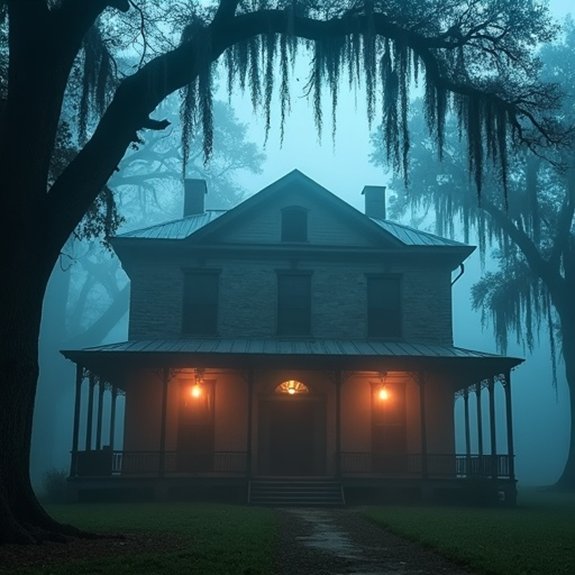
While countless historic plantations dot the American South, Louisiana’s Myrtles Plantation stands apart as one of the nation’s most haunted locations. Built in 1796 by General David Bradford, this St. Francisville estate has witnessed over two centuries of tragedy, mystery, and unexplained phenomena. The antebellum mansion’s reputation attracts thousands of paranormal enthusiasts annually, each hoping to encounter its legendary spirits.
The plantation’s dark history includes murders, yellow fever deaths, and Civil War violence. Visitors and staff members report ghostly children playing on the veranda, mysterious handprints appearing on mirrors, and furniture moving without explanation. Ghost hunters have documented unusual electromagnetic readings, unexplained photographs, and recorded voices throughout the property. Today’s Myrtles operates as a bed and breakfast, offering tours and overnight stays for those brave enough to experience its supernatural activity firsthand.
Chloe’s Tragic Enslaved History
Among the Myrtles’ many spirits, none captures visitors’ attention quite like Chloe, an enslaved woman whose story embodies the plantation’s darkest chapter. According to legend, she worked as a house servant under Judge Clark Woodruff in the 1820s. After Woodruff caught her eavesdropping on family conversations, he ordered her ear cut off as punishment. She’d worn a green turban afterward to hide the disfigurement.
The tale darkens further. Chloe allegedly baked a birthday cake laced with poisonous oleander leaves, intending to make the family mildly ill so she could nurse them back to health and regain favor. Instead, Woodruff’s wife and two daughters died. Fellow enslaved people, fearing collective punishment, hanged Chloe from a tree and threw her body into the Mississippi River.
Notable Cases or Sightings
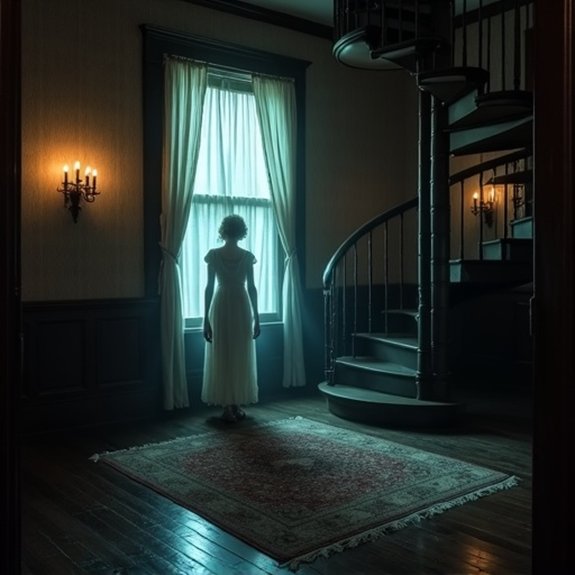
Since the plantation opened for tours in the 1980s, thousands of visitors have reported encounters with Chloe’s spirit. Photographers’ve captured unexplained images of a woman in a green turban standing near the main house. In 1992, insurance company owner Frances Myers photographed what appeared to be Chloe peering through a window, though she hadn’t seen anyone while taking the picture.
Security cameras’ve recorded mysterious figures wandering the grounds after midnight. Tour guides report cold spots in the children’s bedroom and the distinct scent of oleander despite none growing on the property. Guests staying overnight’ve described hearing children’s laughter and footsteps on the staircase. Some’ve witnessed a translucent figure in antebellum clothing walking between the main house and the kitchen building where Chloe allegedly prepared the poisoned cake.
Common Theories or Explanations
These numerous reported encounters have prompted investigators and skeptics to propose various explanations for the Myrtles Plantation phenomena. Paranormal researchers suggest the limestone foundation acts as a recorder, capturing traumatic energy from the property’s violent past. They’ve noted electromagnetic field fluctuations throughout the house that correlate with reported sightings.
Skeptics attribute the experiences to environmental factors. The plantation’s age means settling wood creates unexplained noises, while Louisiana’s humidity causes doors to swell and stick. Psychologists point to suggestion and expectation bias—visitors who’ve heard ghost stories are primed to interpret ambiguous stimuli as paranormal.
Some historians argue the plantation’s reputation stems from embellished folklore rather than actual hauntings. They’ve found discrepancies between popular ghost stories and historical records, suggesting many tales were invented to attract tourists.
Frequently Asked Questions
Can Visitors Stay Overnight at the Myrtles Plantation?
Yes, visitors can stay overnight at the Myrtles Plantation. The property operates as a bed and breakfast where guests book historic rooms. They’ll experience the plantation’s notorious haunted reputation firsthand during their stay.
What Are the Current Tour Prices and Operating Hours?
The Myrtles Plantation offers daily tours from 9am to 5pm, with evening mystery tours on weekends. Day tours cost $15 for adults and $7.50 for children. They’re open year-round except major holidays.
Is Photography Allowed Inside the Plantation House?
Photography isn’t allowed inside the Myrtles Plantation house during regular tours. Visitors can’t take photos of the interior rooms, though they’re welcome to photograph the grounds and exterior. The staff enforces this policy strictly.
How Do I Book a Paranormal Investigation at Myrtles?
Visitors can’t book private paranormal investigations at Myrtles Plantation. The property offers ghost tours and overnight stays in guest rooms, but doesn’t allow independent ghost hunting. They’ll need to join scheduled evening mystery tours instead.
Are There Any Age Restrictions for Ghost Tours?
The Myrtles Plantation doesn’t restrict ages for their ghost tours, but they recommend parental discretion for young children since the tours discuss murders and paranormal activity. Evening tours aren’t suitable for kids who frighten easily.
Can Poltergeists Follow People, Not Places?

The Ghost of Marie Antoinette

Apparitional Animals: Ghost Dogs, Cats, Birds
About The Author
