Ghosts in Abandoned Hospitals
Abandoned hospitals don’t just decay—they transform into something else entirely. Their Victorian asylum designs, with sprawling wings and fortress-like facades, create perfect stages for unexplained phenomena that’ve haunted investigators for decades. While skeptics dismiss the shadows and whispers as tricks of deteriorating architecture, documented cases tell different stories. What’s happening inside these medical ruins challenges conventional explanations, and the truth isn’t what most people expect.
Introduction
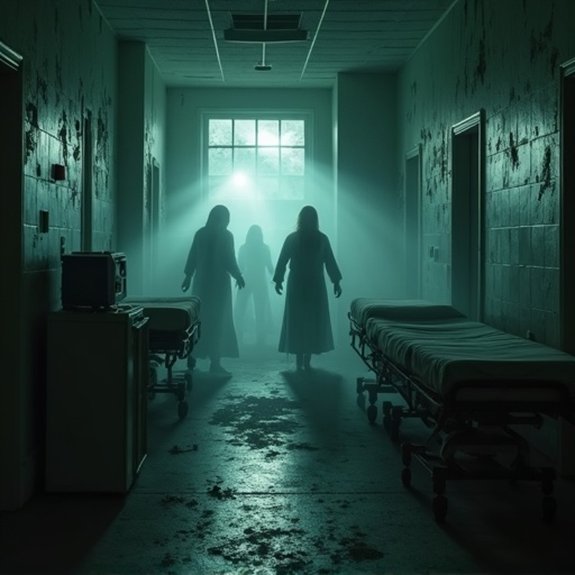
When darkness falls over abandoned hospitals, stories of ghostly encounters seem to multiply like shadows in empty corridors. These decaying medical facilities have captured public imagination for decades, becoming hotspots for paranormal investigators and urban explorers alike. The combination of tragic histories, sudden deaths, and intense human emotions that once filled these buildings creates what believers consider perfect conditions for supernatural activity.
Abandoned hospitals represent more than just empty structures; they’re repositories of countless personal dramas. Patients died unexpectedly, families grieved in waiting rooms, and medical staff witnessed humanity’s most vulnerable moments. These emotional imprints allegedly linger long after the buildings’ abandonment. Whether one believes in ghosts or not, there’s no denying these locations possess an unsettling atmosphere that feeds both fear and fascination.
Victorian Asylum Architectural Designs
As mental health treatment evolved during the Victorian era, architects designed asylums with distinctive features that still haunt abandoned hospitals today. These massive structures incorporated the Kirkbride Plan, featuring sprawling wings that extended from a central administration building. Long corridors stretched hundreds of feet, creating echo chambers where footsteps and voices still resonate in empty halls.
High ceilings with barred windows cast geometric shadows across deteriorating floors. Architects included isolation cells, hydrotherapy rooms, and surgical theaters—spaces that now stand as dark reminders of past treatments. The buildings’ Gothic Revival elements, including pointed arches, turrets, and ornate stonework, intensified their forbidding appearance. These design choices weren’t accidental; they reflected Victorian beliefs about institutional control and moral treatment through environmental manipulation.
Notable Cases or Sightings
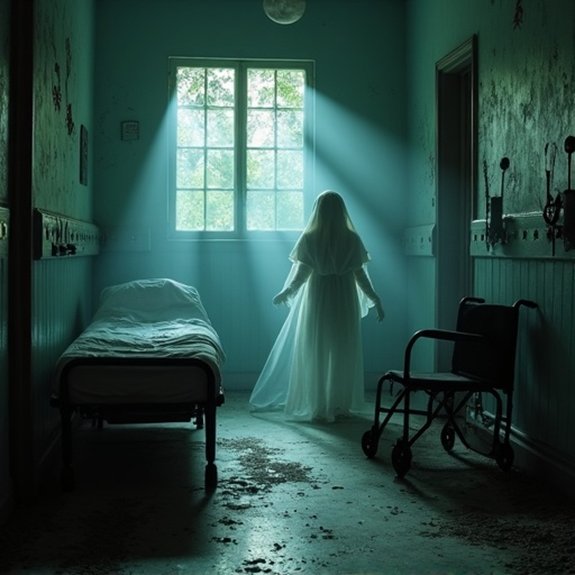
Waverly Hills Sanatorium in Louisville, Kentucky, stands as America’s most documented haunted hospital, with thousands of reported encounters since its closure in 1961. Visitors report shadow figures in the surgical wing and disembodied voices echoing through the tuberculosis wards. The facility’s “body chute” tunnel, used to transport deceased patients, generates the most paranormal claims.
Pennhurst State Hospital in Pennsylvania attracts investigators who’ve captured unexplained electromagnetic readings and temperature drops in the Mayflower Building. Security guards document doors slamming without wind or human intervention.
Trans-Allegheny Lunatic Asylum in West Virginia became infamous after paranormal teams recorded apparent responses to questions through electronic voice phenomena. The facility’s civil war section produces consistent reports of phantom soldiers. These locations share common phenomena: apparitions of former patients, unexplained medical equipment sounds, and sudden cold spots in specific rooms.
Common Theories or Explanations
While skeptics attribute most hospital hauntings to environmental factors, researchers point to several scientific explanations for these phenomena. Infrasound, frequencies below human hearing range, can cause feelings of dread and visual hallucinations. Old buildings’ settling foundations and deteriorating pipes produce these low-frequency vibrations constantly.
Electromagnetic fields from faulty wiring affect the brain’s temporal lobe, triggering sensations of being watched or seeing shadow figures. Toxic mold releases spores that cause confusion and paranoid thoughts when inhaled. Carbon monoxide leaks create auditory hallucinations and feelings of impending doom.
Psychologists suggest pareidolia explains why visitors see faces in peeling paint or hear voices in ambient noise. The brain’s pattern recognition system works overtime in dark, unfamiliar spaces, transforming random stimuli into meaningful threats.
Frequently Asked Questions
Is It Legal to Explore Abandoned Hospitals for Ghost Hunting?
It’s typically illegal to explore abandoned hospitals without permission, as they’re private property. Ghost hunters risk trespassing charges, fines, and arrest. They’d need the owner’s consent to legally enter and investigate these locations.
What Equipment Do Paranormal Investigators Typically Use in Abandoned Hospitals?
Paranormal investigators typically use EMF detectors, digital voice recorders, infrared cameras, and thermal imaging devices. They’ll also carry flashlights, motion sensors, and spirit boxes to detect electromagnetic fluctuations and capture potential paranormal evidence.
How Can I Find Abandoned Hospitals Near Me to Visit?
They’ll find abandoned hospitals through urban exploration forums, historical society records, and old newspaper archives. Google Earth helps spot structures, while local history groups share locations. They shouldn’t trespass—many sites require permission or guided tours.
What Safety Precautions Should I Take When Investigating These Locations?
They’ll need sturdy boots, flashlights with backup batteries, dust masks, gloves, and first aid supplies. They shouldn’t explore alone, should inform someone of their location, test floors carefully, and watch for hazards like asbestos.
Are There Any Organized Ghost Tours of Abandoned Hospitals Available?
Yes, several companies offer organized ghost tours of abandoned hospitals across the country. They’ll typically provide guided experiences at locations like Waverly Hills Sanatorium or Trans-Allegheny Lunatic Asylum, combining historical education with paranormal investigation activities.

Do Exorcisms Really Work?
Is the Whaley House Really America’s Most Haunted?

Why Children Often Report Ghost Sightings
About The Author
