Haunted Asylums: Stories From Inside
The abandoned corridors of America’s old asylums don’t stay quiet for long. Security guards report footsteps in empty wings, while urban explorers capture unexplained figures on camera. These crumbling institutions, once home to thousands of patients, now attract investigators seeking evidence of what locals have whispered about for decades. The stories they’ve uncovered challenge everything visitors think they know about these forgotten places.
Introduction
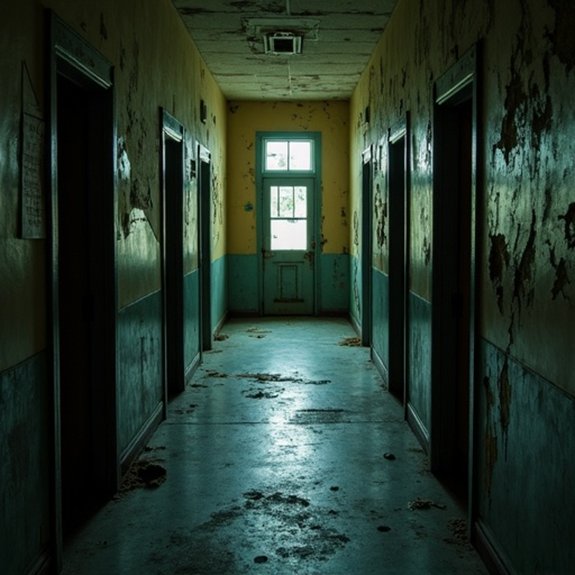
While abandoned asylums have become popular destinations for thrill-seekers and paranormal investigators, the stories that emerge from these decaying institutions tap into something far deeper than simple ghost tales. They’re windows into humanity’s troubled past with mental health treatment. These facilities once housed thousands of patients who endured experimental treatments, isolation, and neglect. Their suffering seems to linger in empty corridors and crumbling walls.
Today’s fascination with haunted asylums reflects society’s ongoing struggle to understand mental illness and confront historical mistakes. Whether believers attribute the phenomena to restless spirits or psychological projection, these locations provoke powerful responses. Each creaking floorboard and shadow-filled room tells stories of real people whose voices went unheard. The asylums stand as monuments to forgotten lives and cautionary reminders of institutional failure.
Dark Victorian Treatment Methods
During the Victorian era, asylum doctors subjected patients to treatments that would horrify modern medical professionals. They’d strap patients into spinning chairs, rotating them at nauseating speeds to supposedly redistribute blood flow and cure madness. Ice baths lasted hours, with attendants holding thrashing bodies underwater until hypothermia set in.
Doctors performed lobotomies with crude instruments, severing brain connections through eye sockets. They prescribed insulin comas, injecting massive doses until patients convulsed violently. Hydrotherapy involved restraining patients in wet sheets for days, causing skin breakdown and infections.
These facilities weren’t healing centers—they’d become torture chambers disguised as medicine. Screams echoed through stone corridors as staff administered treatments based on superstition rather than science. Many patients who entered with minor conditions left permanently damaged or never left at all.
Notable Cases or Sightings
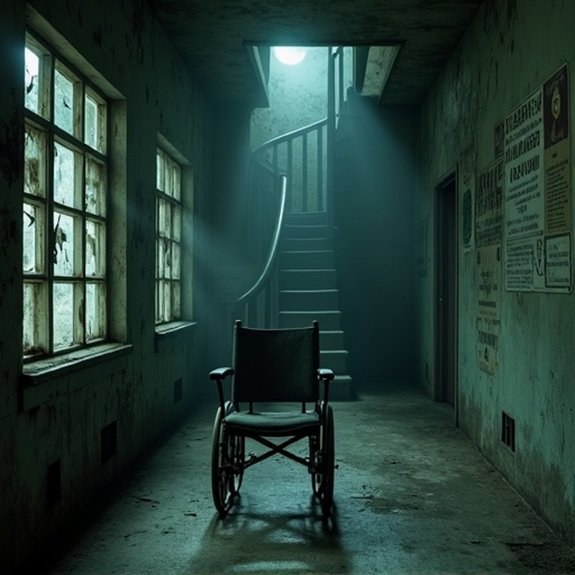
The brutal treatments left behind more than just medical records—they created legends that persist today. At Waverly Hills Sanatorium, visitors report seeing a nurse who jumped from Room 502 after discovering she’d contracted tuberculosis. The “body chute” tunnel, once used to transport corpses, now echoes with unexplained footsteps.
Trans-Allegheny Lunatic Asylum’s most famous case involves Lily, a child patient who died there. Staff members claim she still plays with toys left in the abandoned rooms. Security footage from 2018 captured doors opening without explanation in her former ward.
At Pennhurst State School, investigators documented shadow figures in the Mayflower Building where patients endured ice baths. Electronic voice recordings captured there contain phrases matching documented patient testimonies from the 1960s, suggesting residual energy from traumatic events.
Common Theories or Explanations
Beyond documented sightings, researchers have developed several theories to explain paranormal activity in abandoned asylums. The “stone tape theory” suggests that traumatic events imprint themselves onto building materials, replaying like recordings when conditions align. Limestone and quartz, common in older institutions, supposedly store these psychic impressions better than other materials.
Psychological factors also play significant roles. Expectation bias makes visitors interpret normal sounds as supernatural phenomena. The unsettling atmosphere of decaying medical facilities triggers heightened anxiety, causing people to misperceive shadows and noises. Environmental explanations include infrasound—frequencies below human hearing that create feelings of dread and visual hallucinations.
Some investigators propose residual energy from electromagnetic fields affects brain perception. Old electrical systems and underground water sources in these buildings generate unusual electromagnetic signatures that correlate with reported ghost encounters.
Frequently Asked Questions
Can You Legally Visit or Explore Abandoned Asylums Today?
Visitors can’t legally explore most abandoned asylums without permission from property owners. They’re typically considered trespassing on private or government property. Some facilities offer official tours, but unauthorized entry often results in arrest or fines.
What Equipment Do Paranormal Investigators Use When Exploring Haunted Asylums?
Paranormal investigators typically use EMF detectors, digital voice recorders for EVPs, infrared cameras, and motion sensors. They’ll also carry flashlights, two-way radios, and temperature guns to detect cold spots that might indicate supernatural presence.
Are There Any Guided Tours Available at Reportedly Haunted Asylum Locations?
Yes, several reportedly haunted asylums offer guided tours. Trans-Allegheny Lunatic Asylum, Waverly Hills Sanatorium, and Pennhurst State School conduct both historical and paranormal tours. They’ve become popular attractions, though many abandoned asylums remain off-limits.
Which Countries Have the Most Documented Haunted Asylum Locations?
The United States leads with the most documented haunted asylum locations, followed by the United Kingdom and Australia. They’ve preserved many Victorian-era institutions that attract paranormal investigators. Canada and Germany also report significant haunted asylum sites.
Have Any Haunted Asylums Been Converted Into Hotels or Museums?
Yes, several haunted asylums have been converted. Trans-Allegheny Lunatic Asylum’s now a museum offering ghost tours. Waverly Hills Sanatorium operates as a historical site. Australia’s Aradale Asylum hosts tours, while Oregon’s McMenamins Edgefield became a hotel.

Paranormal Investigations Gone Wrong

Ghostly Voices on Radio & EVP
Why Do Paranormal Events Spike at 3 A.M.?
About The Author
