Is Sleep Paralysis Actually Alien Contact?
The phenomenon of sleep paralysis has intrigued many, as its distressing nature often blurs the lines between reality and imagination. Some argue these episodes could be encounters with extraterrestrial beings, fueled by cultural narratives steeped in fear. As individuals recount vivid experiences during sleep paralysis, they raise questions about what truly happens in the depths of consciousness. Are these experiences merely neurologically driven, or do they hint at a deeper connection beyond our understanding?
Introduction
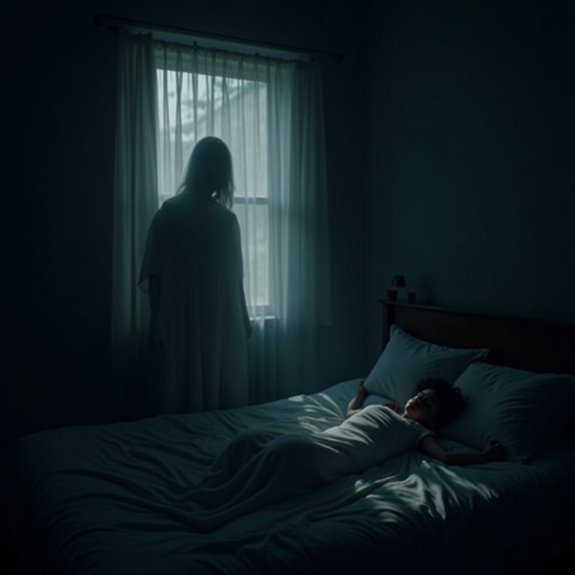
Have you ever woken up unable to move, gripped by an eerie sensation that something or someone is watching you? This unsettling experience, known as sleep paralysis, affects countless individuals worldwide. During these episodes, a person lies awake but feels trapped in their own body, often accompanied by vivid hallucinations or pressure on the chest. The fear can be overwhelming, leading many to question the nature of these experiences. For some, the strange feeling of being watched fuels the belief that they’ve encountered extraterrestrial beings. While science provides explanations rooted in sleep disorders and REM sleep, the mysteries surrounding sleep paralysis continue to captivate both the curious and the terrified. This phenomenon invites exploration into the intersection of consciousness and imagination.
Cultural Interpretations Through History
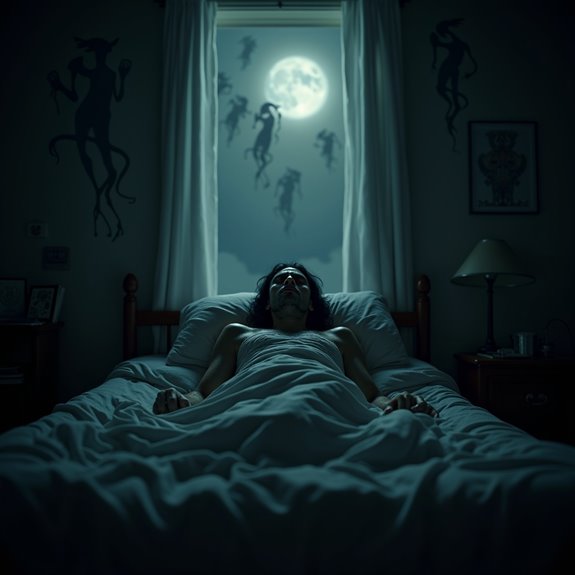
Although many may view sleep paralysis solely as a medical condition, cultures throughout history have interpreted the phenomenon through various lenses, often infusing it with mythology and superstition. In ancient Greece, it was attributed to a supernatural force called “Ephialtes,” a demon who sat on the chest of the sleeper. Similarly, in Japanese folklore, an entity known as “Kanashibari” immobilizes individuals while they sleep. Indigenous cultures often see these experiences as spiritual encounters, warning or guiding the dreamer. The consistent theme across these interpretations involves a sense of fear and helplessness, reflecting the universal human struggle with the unknown. In this way, sleep paralysis serves not only as a medical enigma but also as a canvas for cultural narratives throughout time.
Notable Cases or Sightings
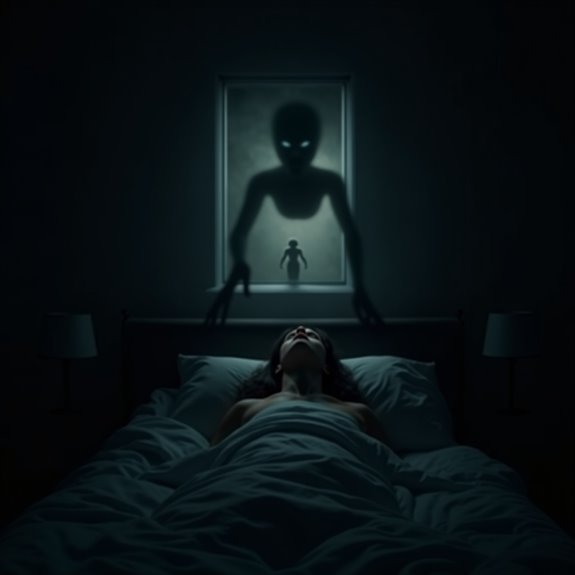
While countless individuals experience sleep paralysis, a few notable cases have captured public attention and fueled speculation about extraterrestrial contact. In 1966, a woman named Kelly reported a terrifying encounter in which she felt immobilized by an unseen presence, claiming she saw small figures hovering nearby. Similarly, during the 1990s, a man known as “John” described a vivid experience where he felt dragged from his bed by what he believed were alien beings. More recently, a viral video featured a man seemingly in the throes of sleep paralysis, catching the attention of online enthusiasts. These instances, along with numerous testimonials, have sparked debates surrounding the nature of these experiences, suggesting they might not be merely figments of imagination but rather something otherworldly.
Common Theories or Explanations
To understand the phenomenon of sleep paralysis, one must consider several theories that attempt to explain these disturbing experiences. Many researchers attribute sleep paralysis to a disruption in the shift between sleep and wakefulness, particularly during REM sleep when dreaming occurs. Others suggest that heightened stress and anxiety levels can trigger episodes, as the body enters a state of paralysis while the mind remains alert. Cultural interpretations also play a role; some individuals perceive these experiences as supernatural or alien encounters. Neurophysiological theories examine brain activity, proposing that hallucinations can occur during sleep paralysis due to the conflicting states of consciousness. Ultimately, combining these perspectives offers a more thorough understanding of sleep paralysis and its varied interpretations across cultures.
Frequently Asked Questions
Is Sleep Paralysis Harmful to Physical Health?
Sleep paralysis isn’t harmful to physical health, but it can cause significant stress and anxiety. Many people experience it occasionally, and while frightening, it typically doesn’t lead to any long-term physical consequences.
Can Sleep Paralysis Be Treated or Prevented?
Yes, sleep paralysis can be treated and prevented. Individuals often benefit from improving sleep hygiene, managing stress, and addressing underlying sleep disorders, which can ultimately reduce the frequency and severity of episodes.
Are There Specific Sleep Patterns Linked to Sleep Paralysis?
Research shows specific sleep patterns, like irregular sleep schedules and disrupted REM cycles, can increase the likelihood of sleep paralysis. Individuals who’ve experienced consistent sleep deprivation often report more frequent occurrences of this unsettling phenomenon.
Does Sleep Paralysis Occur in All Cultures Equally?
Sleep paralysis doesn’t occur equally across all cultures. Research shows varying experiences and cultural interpretations, with some societies attributing it to supernatural entities, while others view it through a psychological lens.
Can Medications Influence Sleep Paralysis Occurrences?
Medications can indeed influence sleep paralysis occurrences. Some individuals notice increased episodes due to certain prescriptions, while others report relief. Adjusting medication often helps manage the frequency and severity of these unsettling experiences.

Abandoned Military Bases and UFO Sightings

5 Classic and Historical UFO Sightings

Are USOs Proof of Alien Bases Under the Sea?
About The Author
