The House Spirits: Domovoi, Lares, Etc
Across centuries, families have shared their homes with invisible guardians. The Romans called them lares, while Russians know them as domovoi. These household spirits don’t just exist in folklore—they’ve shaped how entire cultures understand domestic life. From mysterious footsteps in empty rooms to unexplained good fortune, their influence persists. But what happens when modern skepticism meets ancient belief? The answer isn’t what most people expect.
Introduction
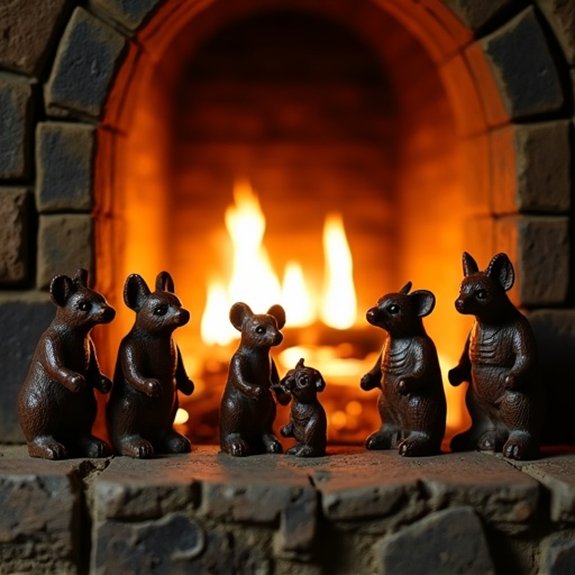
House spirits have inhabited human dwellings for millennia, existing as supernatural guardians, tricksters, or helpers in the folklore of nearly every culture on Earth. These beings form bridges between the physical and spiritual domains, maintaining ancient contracts with families who honor them properly. From Russia’s domovoi to Rome’s lares, from Scotland’s brownies to Japan’s zashiki-warashi, they’ve shaped how people interact with their homes.
They’re not mere superstitions but complex cultural phenomena that reveal humanity’s need to personify domestic spaces. Some protect households from misfortune, others demand respect through mischievous pranks, and many perform household chores while residents sleep. Their stories persist because they address universal concerns about safety, prosperity, and the mysterious sounds that echo through homes at night.
Ancient Roman Household Deities
When Roman families gathered for meals, they’d set aside portions for the lares and penates, the twin pillars of their domestic religion. The lares protected the household’s boundaries and watched over family activities. Romans kept small statues of these guardian spirits in wall niches called lararia, where they’d offer wine, incense, and food scraps daily.
The penates safeguarded the pantry and family’s food supply. Each household also honored its genius, the protective spirit of the male head of household, and sometimes the juno, representing the wife’s guardian force. Vesta’s sacred flame burned at the hearth’s center, embodying the home’s spiritual core. These deities weren’t distant gods but intimate protectors who lived alongside the family, demanding respect through regular rituals and receiving blame when misfortune struck.
Notable Cases or Sightings
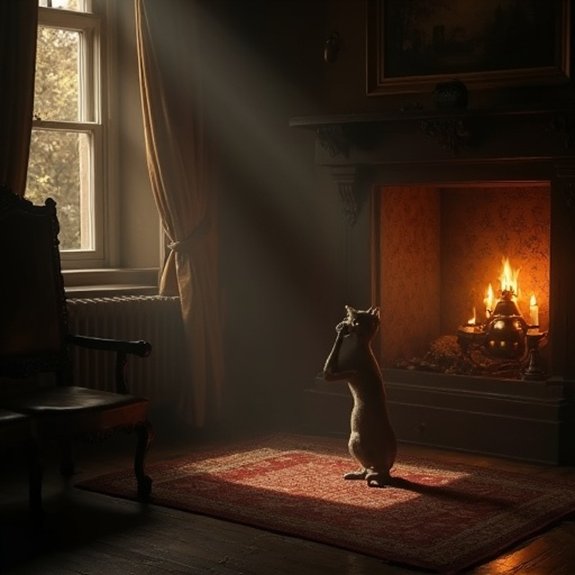
Why do certain house spirit encounters capture public attention while others fade into folklore? The Bell Witch haunting of Tennessee (1817-1821) remains America’s most documented poltergeist case, with witnesses including future President Andrew Jackson. In Russia, the Domovoi of Count Tolstoy’s estate allegedly warned servants before his death in 1910. Iceland’s government officially relocated a highway in 2013 to avoid disturbing an “elf church” after construction equipment mysteriously malfunctioned.
Modern sightings persist through digital platforms. A 2019 viral video from Thailand showed offerings left for house spirits preventing a family’s repeated illnesses. Japanese residents still report zashiki-warashi encounters in restored traditional homes, claiming these childlike spirits bring prosperity. These cases gain traction when they involve credible witnesses, physical evidence, or demonstrable effects on daily life.
Common Theories or Explanations
These documented encounters raise fundamental questions about what people are actually experiencing. Anthropologists suggest house spirits represent humanity’s need to personalize domestic spaces, creating familiar entities that explain unexplained household phenomena. When dishes break or items disappear, attributing these events to a domovoi or brownie provides psychological comfort.
Parapsychologists propose these manifestations might be poltergeist activity or residual energy imprints from previous inhabitants. They’ve recorded electromagnetic anomalies in homes with reported spirit activity, though skeptics attribute these readings to faulty wiring or natural geological factors.
Folklorists argue these beliefs serve social functions—teaching children responsibility through fear of angering the house spirit, or maintaining family traditions across generations. Some psychologists view encounters as sleep paralysis episodes, hypnagogic hallucinations, or pattern recognition gone awry in darkened, familiar environments.
Frequently Asked Questions
How Do You Properly Appease an Angry House Spirit?
One appeases an angry house spirit by leaving small offerings like bread, salt, or milk in quiet corners. They’ll also appreciate keeping the home clean, speaking respectfully about them, and acknowledging their presence.
What Offerings Should Be Left for Different Types of House Spirits?
One should leave bread and salt for domovoi, wine and incense for lares, and milk with honey for brownies. They’ll appreciate fresh flowers, small coins, and first portions of meals placed near hearths or thresholds.
Can House Spirits Follow Families When They Move Homes?
House spirits can’t typically follow families to new homes since they’re bound to specific dwellings. However, families can invite similar spirits to their new residence through proper rituals, offerings, and respectful acknowledgment of the space.
Are House Spirits Considered Good or Evil Entities?
House spirits aren’t typically evil or good but rather protective entities with distinct personalities. They’ll help families who treat them respectfully but can become mischievous or vengeful when offended, neglected, or disrespected by household members.
What Are the Warning Signs of a Malevolent House Spirit?
Folklore suggests they’ll notice unexplained cold spots, objects moving violently, nightmares increasing, pets acting fearful, and household accidents multiplying. The spirit’s anger often manifests through broken dishes, spoiled food, and disturbing knocking sounds at night.

What Is a Skinwalker — And Can They Be Stopped?

The Leshy: Russian Forest Spirit or Cryptid?

Ghost Brides: Legends of Women Who Wait
About The Author
