The Trickster Crow: Myths in North America
The trickster crow’s emerged as one of North America’s most complex mythological figures, shape-shifting between helper and deceiver across countless indigenous tales. Pacific Northwest tribes’ve passed down stories where this clever bird steals fire, creates rivers, and tricks gods themselves. Yet behind the crow’s mischief lies something deeper—a mirror reflecting humanity’s own dual nature. What drives cultures separated by vast distances to cast the same black-winged creature as their cosmic joker?
Introduction
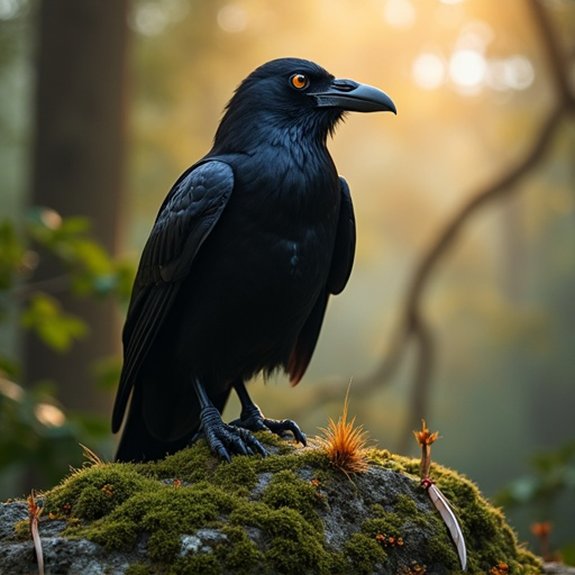
While crows have captivated human imagination for centuries, they’ve also become the subject of countless misconceptions and unfounded beliefs. These intelligent birds appear throughout North American folklore as tricksters, shapeshifters, and harbingers of doom. Native American tribes from the Pacific Northwest to the Great Plains have woven complex narratives around crows, often portraying them as clever beings who outsmart humans and other animals.
Modern society hasn’t abandoned these mythical associations. People still spread false claims about crows’ supposed ability to predict death, their malevolent intentions, and their role in spreading disease. Scientists have debunked most crow-related superstitions through rigorous research, yet these myths persist in popular culture. Understanding the origins and evolution of crow mythology reveals how humans project their fears and fascinations onto the natural world.
Pacific Northwest Tribal Creation Stories
Among the Pacific Northwest’s indigenous peoples, Crow stands as a central figure in creation narratives that explain how the world came to be. The Haida tell of Raven discovering humanity trapped inside a clamshell on the beach, coaxing them out with his cunning words. He’d later steal the sun from a chief who hoarded it in a box, releasing light into the darkness.
The Tlingit’s stories depict Raven transforming himself repeatedly to obtain fire, fresh water, and daylight for humans. He’d become a hemlock needle, get swallowed by a chief’s daughter, and be reborn as her son to access these treasures. Through trickery and shape-shifting, Crow doesn’t just create—he liberates essential elements from those who’d keep them hidden.
Notable Cases or Sightings
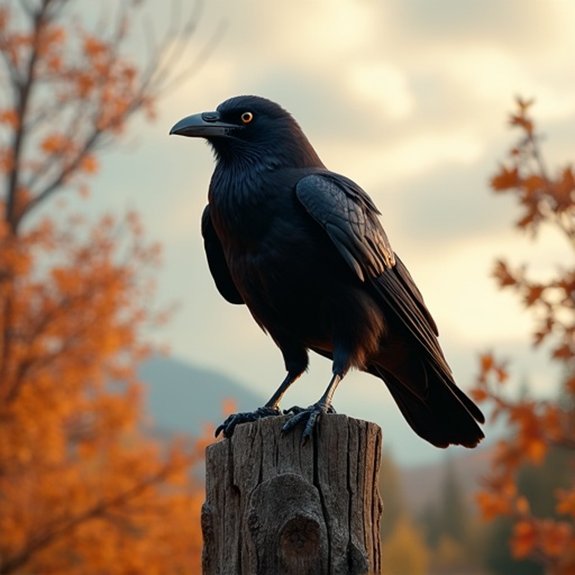
The Haida people’s archives mention the “Night of Speaking Crows” when thousands gathered and produced sounds resembling human voices. Settlers in Ohio’s Scioto Valley reported crow flocks so dense they broke tree branches in 1854. These sightings weren’t considered mere natural phenomena—they’re interpreted as omens, messages from spirits, or gatherings where crows exchanged knowledge about human activities and territorial changes.
Common Theories or Explanations
Scientists and folklorists have proposed various explanations for humanity’s enduring crow mythology. The birds’ remarkable intelligence likely sparked ancient peoples’ imaginations—crows use tools, recognize human faces, and hold “funerals” for their dead. Their jet-black plumage and haunting calls naturally evoked associations with death and the supernatural across cultures.
Anthropologists suggest the trickster archetype emerged because crows display both helpful and harmful behaviors. They’ll guide hunters to prey but also steal shiny objects and raid crops. This duality made them perfect symbols for teaching moral lessons about balance and consequences.
Some researchers argue that crow myths served practical purposes. Stories warning about crow omens encouraged people to notice these birds’ behavior patterns, which often indicated environmental changes like approaching storms or the presence of predators nearby.
Frequently Asked Questions
How Do Crow Trickster Myths Compare to Similar Figures in Other World Cultures?
Crow trickster myths share traits with Africa’s Anansi, Europe’s Reynard, and Japan’s Kitsune. They’re all clever shape-shifters who use wit over strength, teach through mischief, and blur boundaries between wisdom and foolishness in their stories.
What Role Do Crow Trickster Stories Play in Modern Indigenous Education?
Crow trickster stories serve as cultural teaching tools in modern Indigenous education. They’re helping preserve languages, transmit traditional values, and teach critical thinking through paradox and humor while connecting youth to ancestral wisdom and identity.
Are There Specific Rituals or Ceremonies Associated With Crow Trickster Traditions?
Some Pacific Northwest tribes incorporate crow imagery in winter storytelling ceremonies, where elders share trickster tales. These aren’t formal rituals but seasonal gatherings that strengthen community bonds while passing down crow’s teachings about adaptability and wisdom.
How Have Crow Trickster Myths Influenced Contemporary Native American Art and Literature?
Contemporary Native American artists and writers’ve incorporated crow trickster figures into paintings, sculptures, poetry, and novels. They’re using these traditional characters to explore modern themes like cultural identity, environmental issues, and political resistance through indigenous perspectives.
What Moral Lessons Do Crow Trickster Stories Typically Teach Children?
Crow trickster stories teach children that cleverness doesn’t guarantee success, greed leads to loss, and humility matters more than pride. They’ll learn consequences follow actions, cooperation beats selfishness, and wisdom comes from respecting others’ knowledge.
What Are Imps?

The Water Horse of Scotland: Dangerous Fairy Tale?

The Wendigo Psychosis: Myth or Mental Illness?
About The Author
