The Vetala: Indian Spirits Who Possess Corpses
In the domain of Indian mythology, the Vetala stands out as a unique and haunting figure. These enigmatic spirits, known for possessing corpses, challenge the living with riddles steeped in moral significance. Emerging from ancient folklore, their stories reflect deep societal fears about death and the consequences of one’s choices. But what drives these restless souls to roam graveyards, and what lessons do their riddles hold for those who encounter them?
Introduction
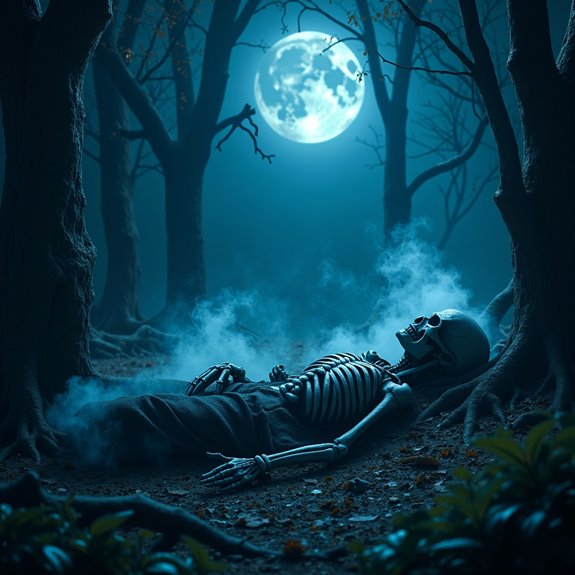
In the rich tapestry of Indian mythology, the Vetala stands out as a fascinating spirit known for its cunning and mischief. Often depicted as a restless ghost inhabiting the decaying bodies of the dead, the Vetala serves as an intriguing figure in various tales. This spirit possesses the unique ability to animate corpses, roaming graveyards under the cover of night. Traditionally, it challenges the living with riddles and moral dilemmas, often testing their wit and intelligence. The Vetala’s blend of humor and menace captivates audiences, molding its image in folklore. Its tales not only illuminate the complexities of life and death but also impart moral lessons, ensuring the Vetala remains an enduring symbol within Indian cultural narratives.
Ancient Indian Folklore Roots
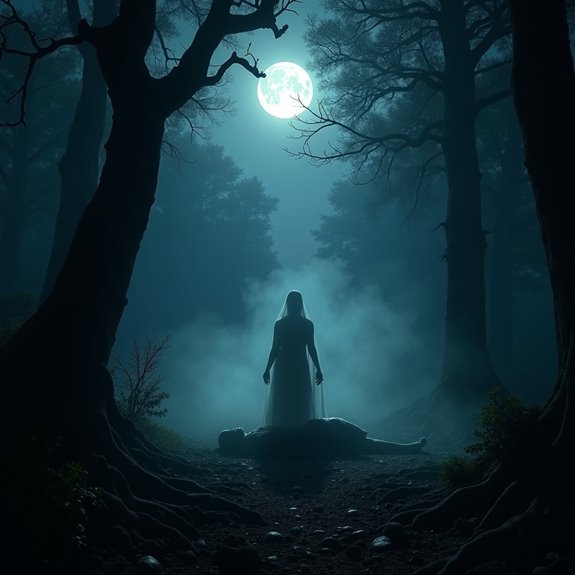
The origins of the Vetala can be traced back to ancient Indian folklore, where it occupies a significant role in the spiritual landscape. These malevolent spirits are typically depicted as possessing corpses, often in eerie narratives emphasizing their supernatural abilities. Traditionally, the Vetala’s association with death and the afterlife has fascinated storytellers and audiences alike. They often serve as cautionary figures, embodying moral lessons about the consequences of one’s actions. Tales woven from oral traditions highlight their wit and cunning, presenting them as clever adversaries to those who encounter them. As characters in ancient texts, such as the *Vetala Panchavimshati*, they continue to influence modern interpretations of spirits and morality, demonstrating their enduring presence in Indian culture and mythology.
Notable Cases or Sightings
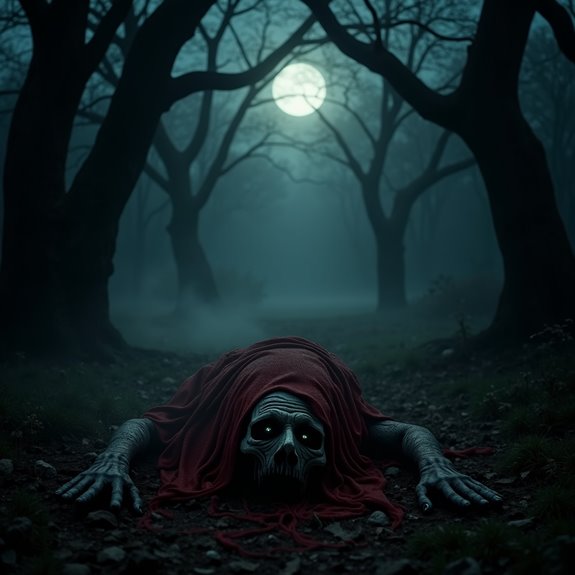
While many consider the Vetala to be mere myth, numerous accounts throughout India have reported eerie encounters that suggest otherwise. In one chilling instance, a villager in Maharashtra claimed to witness a Vetala hovering over a recently buried corpse. Locals near Varanasi also recounted ghostly figures that emerged from graves, believed to be possessed by these spirits. Reports from Rajasthan tell of a man who fell into a trance and spoke in ancient languages, claiming to be a Vetala relaying secrets of the afterlife. Another striking account involves a temple where visitors reported being followed by a shadowy figure, later identified as a Vetala. These stories fuel curiosity, compelling those who hear them to explore the domains of the supernatural.
Common Theories or Explanations
Though many dismiss the Vetala as mere folklore, several theories attempt to explain these enigmatic spirits and their reported phenomena. Some scholars suggest that these spirits symbolize the battle between life and death, representing the fear of mortality that shadows many cultures. Others speculate that the Vetala may originate from ancient practices of corpse possession linked to rituals designed for communication with the deceased. Psychological theories also play a role, proposing that belief in the Vetala stems from collective anxieties regarding death and the unknown. Additionally, the Vetala’s association with the supernatural could reflect deeper societal struggles with morality, justice, and the consequences of one’s actions, weaving their tale into the fabric of Indian cultural narrative.
Frequently Asked Questions
What Rituals Are Performed to Appease a Vetala?
To appease a Vetala, practitioners offer food, fragrant flowers, and incense. They also perform rituals that involve chanting mantras, lighting lamps, and creating sacred spaces, believing these acts soothe the spirits’ restless souls.
How Does a Vetala Possess a Corpse?
A vetala enters a corpse by disrupting its lifeforce, finding an emotional or spiritual connection. Once intertwined, it influences the body’s actions and thoughts, often causing chaos or serving its own mysterious purposes.
Are There Specific Types of Corpses a Vetala Prefers?
A Vetala prefers corpses that meet certain criteria, often seeking those with strong emotional attachments or tragic stories. Such bodies amplify their powers, allowing the Vetala to evoke deeper connections and influence the living effectively.
Can Vetala Sightings Be Explained Scientifically?
Some researchers argue that vetala sightings might stem from psychological phenomena, cultural beliefs, or natural explanations. They’ve found that fear and folklore often manipulate perceptions, leading to misinterpretations of normal events as supernatural occurrences.
What Role Do Vetala Play in Modern Indian Culture?
Vetala play a fascinating role in modern Indian culture, symbolizing the interplay between life and death. They’re often featured in stories, movies, and folklore, reflecting people’s fears, beliefs, and fascination with the supernatural.

Heroes and Tricksters in Native Stories

The Crying Woman of the Southwest: La Llorona

Do Fairy Abductions Explain Missing People Cases?
About The Author
