The Mystery of the Saltmen of Iran
Deep within Iran’s Chehrabad salt mine, workers stumbled upon an extraordinary sight—perfectly preserved human bodies dating back over two millennia. These “Saltmen” aren’t ordinary mummies. Salt’s natural properties created an accidental time capsule, preserving not just flesh and bone, but clothing, tools, and even the victims’ final meals. What killed these ancient miners remains disputed, but the evidence they’ve left behind challenges everything archaeologists thought they knew about Persian working-class life.
Introduction
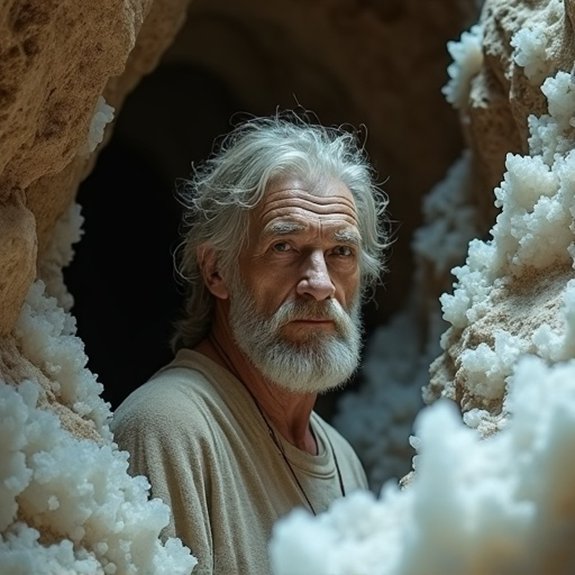
When workers at the Chehrabad salt mine in northwestern Iran accidentally uncovered a mummified head in 1993, they couldn’t have imagined they’d stumbled upon one of archaeology’s most fascinating discoveries. The head belonged to what scientists now call “Saltman 1,” the first of six naturally mummified bodies found in the mine over subsequent decades. These ancient miners, preserved by the salt’s dehydrating properties, offer an extraordinary glimpse into Iran’s past. Dating from different periods between 400 BCE and 400 CE, the saltmen represent various eras of Persian history. Their remarkable preservation has allowed researchers to study everything from their last meals to their DNA. The discovery’s transformed understanding of ancient mining practices, daily life, and the diverse populations who worked these dangerous salt deposits centuries ago.
Discovery at Chehrabad Salt Mine
Although the Chehrabad salt mine had operated for centuries in Iran’s Zanjan Province, its most remarkable secrets remained hidden until that fateful day in 1993. Workers excavating deep within the mine’s tunnels made an extraordinary discovery that’d change archaeological history. They’d uncovered a naturally mummified human head with long hair and a beard, perfectly preserved by the salt’s desiccating properties.
The discovery sparked immediate scientific interest. Archaeologists rushed to examine the remains, later designated “Saltman 1.” The mine’s unique environmental conditions—extremely dry air and high salt concentration—had created perfect mummification circumstances. These factors prevented bacterial decay and preserved organic materials that would’ve normally decomposed millennia ago. Subsequent excavations revealed additional bodies, each offering unprecedented glimpses into ancient Persian life. The saltmen weren’t intentionally mummified; they’d died in mining accidents and nature transformed them into archaeological treasures.
Notable Cases or Sightings
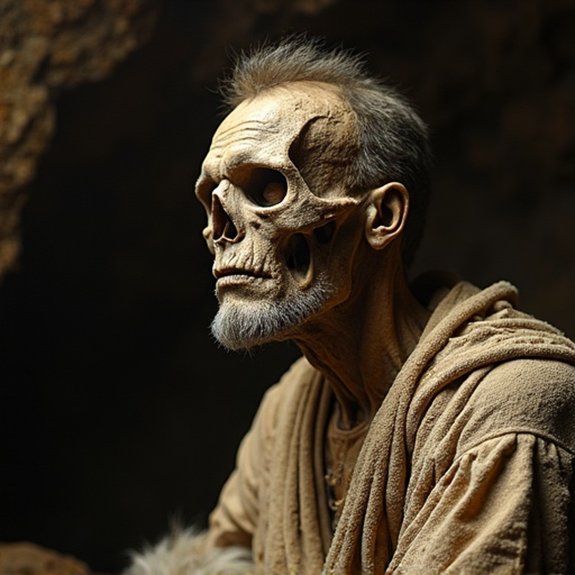
The remarkable preservation of Saltman 4 stands as the collection’s crown jewel. He’s retained his leather boots, woolen trousers, and even his final meal in his stomach. Scientists discovered he’d eaten salt, garlic, and walnuts before dying around 500 CE.
Saltman 1’s discovery sparked international attention when miners found his bearded head in 1993. His long white hair and beard remained intact after 1,700 years underground. Saltman 2 emerged in 2004, revealing bones and textile fragments that expanded researchers’ understanding of ancient mining practices.
The youngest specimen, Saltman 5, died at just sixteen. His body shows he’d performed hard physical labor despite his age. Each mummy’s unique preservation offers scientists different insights into Achaemenid and Sassanid era life, from dietary habits to clothing styles and occupational hazards.
Common Theories or Explanations
Three main theories explain how these ancient miners met their deaths in the Douzlakh salt mine. The most widely accepted explanation suggests catastrophic mine collapses trapped the workers instantly. The salt’s preservative properties then mummified their bodies over centuries, creating the remarkable specimens archaeologists’ve discovered.
The second theory proposes that earthquakes, common in Iran’s tectonically active region, triggered sudden cave-ins. These seismic events would’ve given miners no time to escape the collapsing tunnels.
A third possibility involves methane gas poisoning. Salt deposits often contain pockets of trapped gases that, when released during mining, can quickly overwhelm workers in confined spaces. Some researchers believe the miners succumbed to toxic fumes before the mine’s structure failed, explaining their well-preserved positions and the absence of defensive wounds.
Frequently Asked Questions
Can Tourists Visit the Salt Mine Where the Saltmen Were Discovered?
Yes, tourists can’t visit the Chehrabad salt mine where Iran’s saltmen were discovered. The site’s closed to public access for preservation purposes. However, visitors can see the preserved saltmen at Tehran’s National Museum and Zanjan’s museum.
Where Are the Saltmen Mummies Currently Displayed or Stored?
The saltmen are displayed at two locations in Iran. Four of them are housed at the National Museum of Iran in Tehran, while one remains at the Zanjan Archaeology Museum near the discovery site.
What Preservation Techniques Are Used to Maintain the Saltmen Remains?
Scientists maintain the Saltmen through controlled temperature and humidity environments. They’ve applied specialized conservation treatments to stabilize the salt-preserved tissues, use climate-controlled display cases, and conduct regular monitoring to prevent deterioration of these ancient remains.
Are There Ongoing Excavations Searching for More Saltmen?
Yes, archaeologists aren’t actively excavating for more saltmen currently. They’ve suspended work at the Chehrabad salt mine due to preservation concerns and funding limitations, though researchers continue studying the existing remains and monitoring the site.
How Much Does It Cost to View the Saltmen Exhibits?
Visitors can view the Saltmen exhibits at Iran’s National Museum and Zanjan’s Archaeology Museum for minimal entrance fees, typically under $5 USD. They’ll find these ancient mummies displayed alongside artifacts from the Chehrabad salt mine.

Are There Sunken Temples Off the Coast of Japan?
The Lost Mines of the Pharaohs

Are the Crystal Skulls of Mesoamerica Real or Forged?
About The Author
