The Subterranean Temples of China
China’s subterranean temples aren’t merely ancient monuments carved into rock. They’re architectural mysteries that defy conventional understanding of Tang Dynasty capabilities. While historians document thousands of these underground sanctuaries, they can’t fully explain how monks achieved such precise ventilation systems without modern tools. The Longmen Grottoes alone contain over 100,000 Buddhist statues in 2,300 caves. Yet something about these sites doesn’t align with official timelines.
Introduction
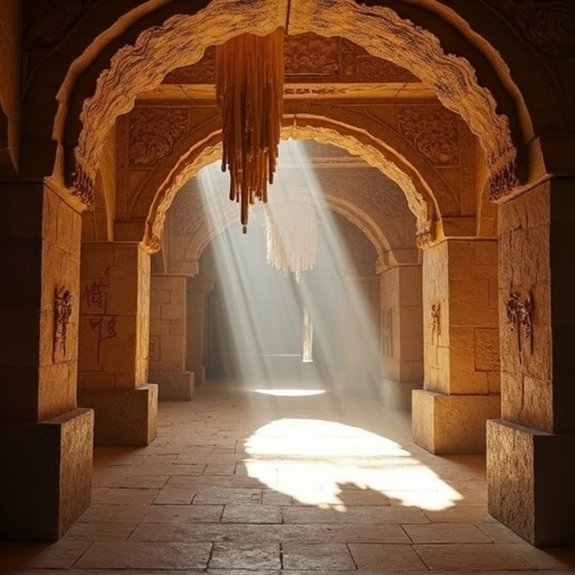
While China’s magnificent temples typically crown mountain peaks and dominate city skylines, a remarkable collection of sacred spaces lies hidden beneath the earth’s surface. These subterranean temples represent centuries of devotion, engineering prowess, and spiritual significance that archaeologists have only recently begun documenting thoroughly.
Carved directly into rock faces, excavated from hillsides, or constructed within natural cave systems, these underground sanctuaries served multiple purposes throughout Chinese history. They’ve sheltered Buddhist monks during persecution, housed Taoist hermits seeking isolation, and protected sacred texts from invading armies. Today’s researchers have identified over forty significant subterranean temple complexes across mainland China, with discoveries continuing in remote provinces. Each site reveals unique architectural innovations adapted to underground conditions, including ventilation systems, water drainage channels, and light wells that demonstrate ancient builders’ sophisticated understanding of subsurface construction.
Tang Dynasty Cave Excavations
The Tang Dynasty (618-907 CE) marked the golden age of cave temple construction in China, when imperial patronage and religious fervor drove massive excavation projects across the empire. Artisans carved elaborate Buddhist grottos into limestone cliffs at Longmen, where they created over 2,300 caves containing 110,000 stone statues. The dynasty’s sculptors perfected techniques for hollowing chambers from solid rock, using metal chisels and controlled fire-setting to fracture stone.
Tang excavators didn’t just expand existing sites—they established new complexes at Tianlongshan and enhanced the Mogao Caves with intricate murals. These projects employed thousands of workers who carved drainage systems, ventilation shafts, and interconnected galleries. The period’s architectural innovations included self-supporting domed ceilings and precisely calculated acoustic chambers that amplified chanted sutras throughout the underground spaces.
Notable Cases or Sightings

Pilgrims and archaeologists have documented remarkable discoveries within China’s subterranean temple networks over the centuries. In 1987, monks at Famen Temple’s underground crypt uncovered Buddha’s finger bone relic alongside Tang dynasty treasures. The discovery transformed the site into China’s most significant Buddhist pilgrimage destination.
At Mogao Caves, Wang Yuanlu’s 1900 find of the hidden Library Cave revealed 50,000 manuscripts and paintings sealed since the 11th century. These texts revolutionized understanding of medieval Chinese Buddhism. Recent radar scanning at Longmen Grottoes detected previously unknown chambers behind existing cave walls.
Local villagers near Mount Hua reported seeing mysterious lights emanating from unexplored cave entrances during full moons. While authorities haven’t verified these claims, they’ve prompted renewed archaeological interest in mapping the region’s extensive underground religious sites.
Common Theories or Explanations
Although scholars have proposed numerous theories about China’s subterranean temples, three explanations dominate academic discourse. The geological protection hypothesis suggests ancient builders chose underground locations to shield sacred spaces from earthquakes and erosion. These stable rock formations offered natural preservation that above-ground structures couldn’t match.
The persecution theory argues that religious minorities built hidden temples during dynasties that banned their practices. Buddhist and Taoist communities reportedly excavated secret worship sites when imperial edicts threatened their survival.
The cosmological interpretation claims underground construction reflected spiritual beliefs about connecting with earth deities and accessing mystical energy channels. Practitioners believed subterranean spaces enhanced meditation and ritual effectiveness through proximity to underground water systems and mineral deposits. Each theory’s gained support from archaeological evidence and historical texts documenting construction methods.
Frequently Asked Questions
Can Tourists Visit These Subterranean Temples Today?
Tourists can’t visit most subterranean temples in China since they’re either undiscovered, restricted archaeological sites, or closed for preservation. A few exceptions exist where authorities’ve opened certain caves and underground religious sites to visitors.
What Safety Equipment Is Needed for Temple Exploration?
Explorers need sturdy helmets with headlamps, reinforced boots, and safety harnesses. They’ll require breathing masks for dusty areas, first-aid kits, and rope systems. Most temples also demand visitors carry emergency communication devices and water supplies.
How Much Does It Cost to Visit These Sites?
Visitors typically pay entrance fees ranging from 50 to 200 yuan ($7-28 USD) at major subterranean temple sites. They’ll find that prices vary by location, with remote temples charging less than popular tourist destinations.
Are Photography and Filming Allowed Inside the Temples?
Photography rules vary by temple. Most sites don’t allow flash photography to protect ancient murals and artifacts. Visitors can’t film in restricted areas, though some temples permit non-commercial photography in designated zones with permits.
What Are the Operating Hours and Best Seasons to Visit?
Most subterranean temples operate from 8:30 AM to 5:30 PM daily. Spring and autumn offer the best visiting conditions with mild temperatures and lower humidity. Summer’s crowds and winter’s cold make exploring underground chambers less comfortable.


About The Author
