The Underground Catacombs of Tokyo
Tokyo’s sprawling metropolis conceals an intricate network of tunnels and chambers that most residents don’t know exists. These underground catacombs stretch beneath busy streets and modern skyscrapers, connecting ancient burial sites to abandoned wartime bunkers. Urban explorers who’ve ventured into these depths report finding mysterious artifacts and encountering spaces that shouldn’t exist according to official records. What they’ve discovered challenges everything historians thought they knew about the city’s foundation.
Introduction
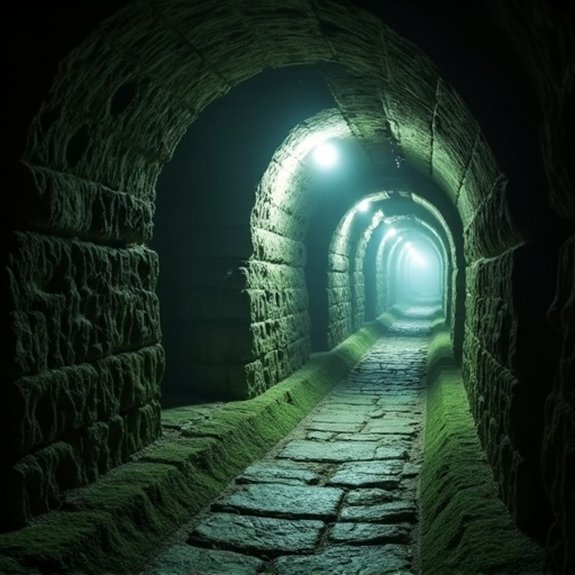
While Tokyo’s skyline captures the world’s attention with its towering skyscrapers and neon lights, few people know about the vast network of tunnels, chambers, and passageways that snake beneath Japan’s capital city. These underground spaces aren’t traditional catacombs filled with bones and burial chambers. Instead, they’re a complex system of flood prevention tunnels, abandoned subway stations, utility corridors, and wartime bunkers that’ve accumulated over decades of urban development.
The Metropolitan Area Outer Underground Discharge Channel stands as the crown jewel of this subterranean world. Engineers built this massive water management system to protect Tokyo from devastating floods. Meanwhile, forgotten passages from World War II still exist beneath government buildings, and defunct train platforms remain frozen in time, hidden from the millions who walk above them daily.
Ancient Buddhist Burial Networks
Although modern Tokyo’s underground infrastructure dominates today’s subterranean landscape, the city’s relationship with underground burial spaces stretches back centuries to ancient Buddhist practices. During the Edo period, several temples constructed elaborate tunnel systems beneath their grounds to house cremated remains and sacred relics. These networks, called “nokotsu-dō,” served both practical and spiritual purposes—they’d maximize limited land while creating meditation spaces for monks.
The most extensive network lies beneath Zōjō-ji Temple in Minato, where interconnected chambers span nearly two kilometers. Archaeological surveys’ve revealed intricate stone carvings, ventilation shafts, and specialized alcoves for urns. Unlike European catacombs, these passages weren’t meant for full-body interment but focused on efficient storage of cremated remains, reflecting Buddhist beliefs about impermanence and the body’s temporary nature.
Notable Cases or Sightings
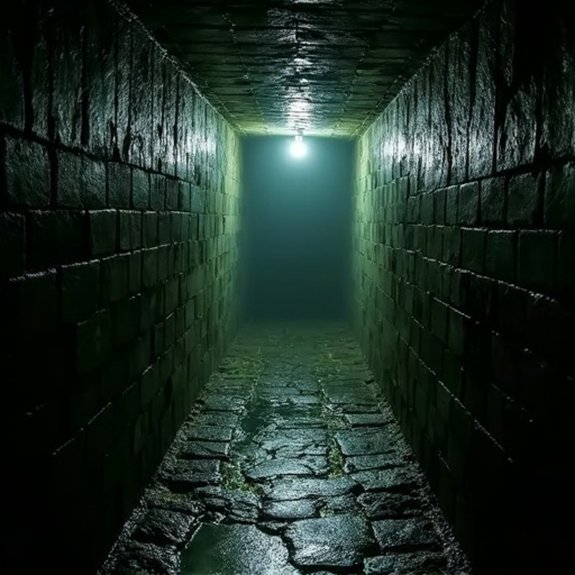
The discovery of these ancient burial networks has sparked numerous reports of unexplained encounters in Tokyo’s underground spaces over the past century. In 1972, construction workers renovating Shinjuku Station’s basement reported finding sealed stone chambers containing Buddhist artifacts and human remains. They’d described hearing chanting voices before the area was quickly cordoned off by authorities.
Railway maintenance crews have documented similar findings beneath Tokyo Station and Ueno. In 2008, urban explorers photographed carved Sanskrit inscriptions in drainage tunnels near Sensoji Temple, though officials haven’t confirmed their authenticity. Most significantly, the 1995 discovery of interconnected passages beneath Meguro district revealed ceremonial urns and meditation cells dating to the Edo period. Local historians believe these spaces served as secret refuges for persecuted Buddhist monks during Japan’s anti-Buddhist purges.
Common Theories or Explanations
How did these extensive underground networks form beneath one of the world’s most densely populated cities? Urban historians propose that Tokyo’s catacombs originated from abandoned Edo-period tunnels, expanded during World War II for air raid shelters. Some researchers believe they’re connected to forgotten subway construction projects from the 1920s that were never completed due to the Great Kanto Earthquake.
Geologists suggest natural limestone caves beneath Tokyo Bay merged with man-made passages over centuries. They’ve identified water erosion patterns indicating some tunnels predate human settlement. Military experts claim the Imperial Army secretly excavated networks for storing weapons and moving troops undetected. Recent ground-penetrating radar studies support this theory, revealing uniform corridor widths matching military specifications. Most scholars agree the catacombs likely resulted from multiple origins converging into today’s mysterious labyrinth.
Frequently Asked Questions
Can Tourists Legally Visit Any Sections of the Tokyo Catacombs Today?
Tokyo doesn’t have catacombs. The city’s underground consists of subway tunnels, utility passages, and flood prevention systems. Tourists can’t visit these areas as they’re restricted infrastructure, not historical catacombs like those in Paris or Rome.
What Permits or Permissions Are Required for Archaeological Research in the Catacombs?
Tokyo doesn’t have catacombs like Paris or Rome. Researchers who explore Tokyo’s underground infrastructure need permits from the Tokyo Metropolitan Government, utility companies, and property owners. They’ll coordinate with relevant archaeological and safety authorities.
How Much Would a Guided Tour of Accessible Areas Typically Cost?
There aren’t any underground catacombs in Tokyo that offer guided tours. Tokyo’s underground consists of subway systems, utility tunnels, and some wartime shelters, but these aren’t tourist attractions and don’t operate public tours.
Are There Any Safety Hazards or Structural Concerns in the Tunnels?
Yes, visitors face multiple hazards including flooding risks during heavy rains, poor ventilation in deeper sections, unstable ceiling areas, and maze-like passages where people can’t easily find exits. Authorities’ve restricted access to particularly dangerous zones.
What Emergency Contact Numbers Should Explorers Have Before Entering Restricted Areas?
They shouldn’t enter restricted areas at all. Instead of emergency numbers, explorers need proper permits from Tokyo Metropolitan Government. If they’re conducting legitimate research, they’ll receive safety protocols and authorized contact information through official channels.

The Mystery of the Cave of the Swimmers

The Disappearance of the Indus Script
The Hidden Tunnels of Teotihuacan
About The Author
