The Beast Within: Dual Nature Myths
Humanity’s darkest myths don’t just entertain—they reveal uncomfortable truths about what lurks beneath civilized facades. Ancient cultures worldwide crafted tales of beings torn between reason and rage, between human form and bestial transformation. These weren’t mere campfire stories. The Mesopotamians knew something modern society’s forgotten: the line between person and predator isn’t fixed. It shifts, blurs, and sometimes disappears entirely when circumstances strip away pretense.
Introduction
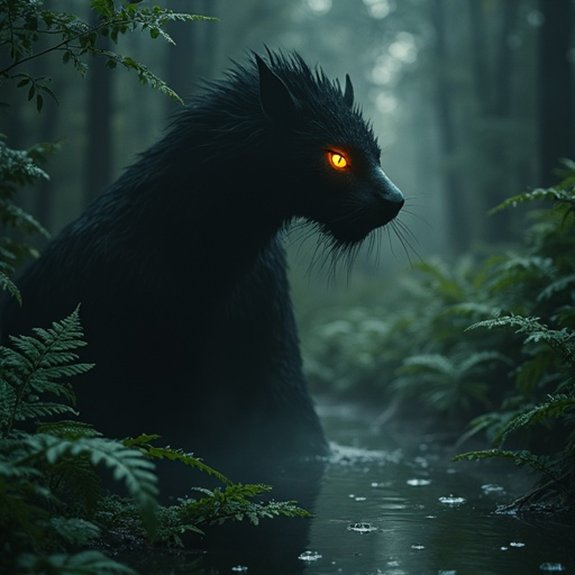
While ancient civilizations grappled with understanding the fundamental forces that shaped their world, they consistently developed myths featuring beings and concepts with dual natures. These stories weren’t merely entertainment; they reflected humanity’s struggle to reconcile opposing forces within themselves and their environment. From Greek centaurs to Norse berserkers, cultures worldwide created narratives about creatures that embodied both human and beast, order and chaos, divine and mortal.
These dual nature myths served multiple purposes. They explained natural phenomena, taught moral lessons, and provided frameworks for understanding human psychology. The werewolf’s transformation mirrored humanity’s capacity for both civility and savagery. Shape-shifters represented the fluid boundaries between categories that societies desperately tried to define. Through these tales, ancient peoples explored what it meant to be human.
Ancient Mesopotamian Shapeshifter Texts
Among the earliest recorded examples of these dual nature beings appear in Mesopotamian literature, where gods and demons regularly assumed different forms to interact with mortals. The Epic of Gilgamesh features Enkidu, who transforms from wild beast-man to civilized human through divine intervention. Ishtar’s descent myths describe her shapeshifting abilities as she navigates the underworld’s seven gates. Cuneiform tablets from Assyria detail the lamassu—protective deities who’d manifest as human-headed winged bulls.
These texts don’t merely entertain; they explore humanity’s relationship with the divine and animalistic. Mesopotamian scribes documented how Tiamat birthed monster-warriors capable of assuming multiple forms during cosmic battles. The demon Pazuzu could shift between wind spirit and corporeal plague-bringer. Such narratives established foundational archetypes that’d influence Mediterranean, Persian, and later European mythologies.
Notable Cases or Sightings
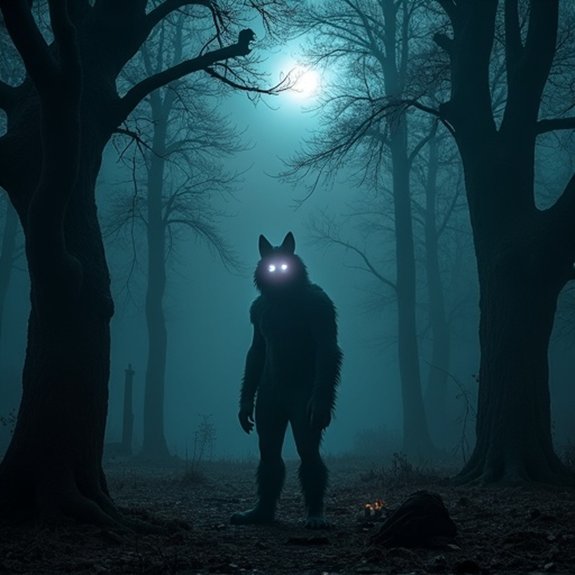
Historical records document numerous encounters with alleged shapeshifters across cultures, though distinguishing folklore from eyewitness testimony proves challenging. Medieval European chronicles describe werewolf trials, particularly the 1589 case of Peter Stumpp in Germany, who confessed under torture to transforming into a wolf. France’s Beast of Gévaudan terrorized the countryside from 1764 to 1767, with witnesses claiming it shifted between wolf and human forms.
Native American accounts preserve detailed sightings of skinwalkers, especially among Navajo communities where such discussions remain taboo. In 1980s Wisconsin, multiple witnesses reported the “Beast of Bray Road,” describing a creature that walked upright like a man but possessed wolf-like features. Modern cryptozoologists‘ve catalogued hundreds of similar reports worldwide, though physical evidence remains elusive.
Common Theories or Explanations
Scientists and folklorists have proposed various explanations for widespread shapeshifter beliefs across unconnected cultures. Some researchers suggest these myths stem from ancient humans’ encounters with rabies victims, whose aggressive behavior and foam-flecked mouths resembled animal characteristics. Others point to rare medical conditions like hypertrichosis, which causes excessive hair growth, potentially inspiring werewolf legends.
Psychological theories emphasize humanity’s struggle with controlling primal instincts. Carl Jung’s concept of the “shadow self” mirrors shapeshifter narratives—the beast represents suppressed desires and impulses. Anthropologists argue these stories served social functions, warning against breaking taboos or venturing into dangerous territories at night.
Modern scholars also examine hallucinogenic plant use in shamanic traditions, where practitioners claimed they’d transform into animals during spiritual journeys. These altered states likely influenced cultural beliefs about human-animal metamorphosis.
Frequently Asked Questions
How Do Modern Therapists Use Dual Nature Myths in Treating Identity Disorders?
Modern therapists incorporate dual nature myths like Jekyll and Hyde to help clients with identity disorders recognize their conflicting selves. They’ll use these stories as metaphors to normalize internal struggles and facilitate integration of fragmented identities.
Which Cultures View Shapeshifting as a Positive Spiritual Gift Rather Than Curse?
Many Indigenous cultures celebrate shapeshifting as sacred power. Native American traditions honor skinwalkers who transform for healing. Celtic druids embrace animal transformation for wisdom. Siberian shamans value shape-changing journeys that connect spiritual domains.
What Psychological Triggers Are Believed to Activate Transformation in Dual Nature Myths?
Strong emotions typically trigger transformations in dual nature myths. Rage, fear, sexual desire, and grief often activate the change. The full moon’s pull, extreme stress, bloodlust, or breaking sacred taboos also provoke involuntary shifts between forms.
How Do Children’s Developmental Stages Relate to Understanding Dual Nature Stories?
Children’s cognitive development directly shapes their grasp of dual nature stories. They’ll initially see characters as purely good or evil, but around age seven, they begin understanding that people can embody both qualities simultaneously.
What Role Does the Lunar Cycle Play in Transformation Myths Worldwide?
The lunar cycle’s phases mirror transformation myths across cultures, where full moons trigger werewolf changes, new moons herald spiritual rebirths, and waxing/waning periods represent humanity’s shifting between civilized and primal states in countless legends.



About The Author
