The Duel Between Light and Shadow in Myths
Throughout history, cultures’ve portrayed the eternal conflict between light and shadow as humanity’s most fundamental struggle. These opposing forces don’t merely represent good versus evil—they reveal deeper truths about balance, wisdom, and chaos. From ancient Persia to modern interpretations, mythological battles between luminous deities and dark entities shape how civilizations understand morality itself. But what happens when these cosmic adversaries aren’t enemies at all, but necessary partners in creation’s grand design?
Introduction

Since ancient civilizations first gazed at the stars and wondered about their place in the cosmos, humans have crafted stories that explore the eternal struggle between light and shadow. These opposing forces shape mythology across every culture, representing fundamental conflicts that define human existence. Light typically embodies knowledge, truth, and divine order, while shadow represents chaos, deception, and primal fears. From Greek tales of Apollo battling Python to Norse legends of Ragnarök’s cosmic darkness, these narratives transcend simple morality tales. They’re psychological blueprints that reveal how societies understand good and evil, creation and destruction. This archetypal duel doesn’t merely entertain; it teaches profound lessons about balance, transformation, and the necessity of both forces in maintaining universal harmony.
Ancient Zoroastrian Cosmic Battle
Among the world’s earliest and most influential mythological frameworks, Zoroastrianism presents perhaps the purest expression of cosmic dualism through its central conflict between Ahura Mazda and Angra Mainyu. This ancient Persian religion, founded by the prophet Zoroaster around 1500 BCE, depicts reality as a battlefield where these opposing forces clash eternally.
Ahura Mazda embodies truth, light, and creation, while Angra Mainyu represents falsehood, darkness, and destruction. They’re locked in a struggle that’ll ultimately span twelve thousand years. Every human action contributes to this cosmic war—good deeds strengthen Ahura Mazda’s position, while evil acts empower Angra Mainyu. Zoroastrians believe this battle isn’t eternal; prophecy declares Ahura Mazda will triumph, evil will perish, and the universe will achieve perfect renovation called Frashokereti.
Notable Cases or Sightings
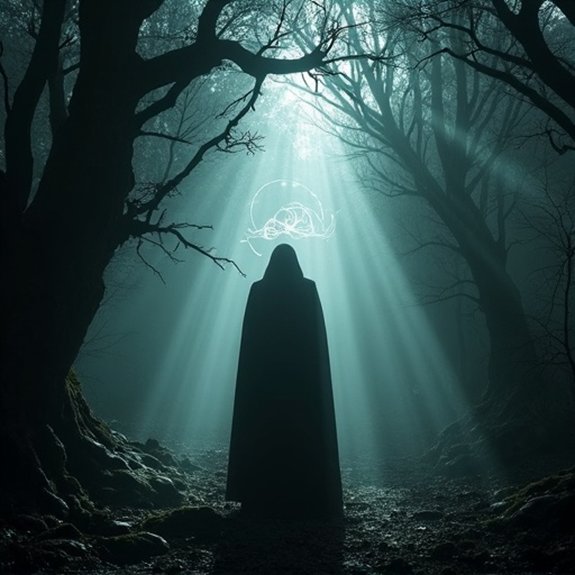
The Hindu epic Mahabharata showcases one of mythology’s most dramatic light-versus-shadow confrontations through the Kurukshetra War, where divine forces manipulated events behind the scenes. Krishna, representing dharma and cosmic order, guided the Pandavas against the Kauravas, who’d embraced darkness through greed and deception. The eighteen-day battle wasn’t merely physical—it embodied the eternal struggle between righteousness and corruption.
Norse mythology presents another striking example through Ragnarök, where gods of Asgard face dark forces led by Loki and the fire giant Surtr. This apocalyptic battle destroys the old world but promises rebirth through light’s eventual triumph.
Egyptian mythology depicts Ra’s nightly journey through the underworld, battling the serpent Apophis who threatens to devour the sun and plunge creation into eternal darkness.
Common Theories or Explanations
While ancient cultures separated by vast distances couldn’t have coordinated their mythologies, they’ve developed remarkably similar explanations for the light-shadow duality. Scholars point to humanity’s universal experience with day and night cycles as the primary catalyst. The sun’s daily journey naturally creates narratives of struggle between opposing forces.
Psychological theories suggest these myths reflect internal human conflicts. Carl Jung’s concept of the shadow self parallels mythological battles where heroes confront dark counterparts. Light represents consciousness and reason; shadow embodies repressed desires and fears.
Agricultural societies particularly emphasized this duality since crop survival depended on balanced sunlight. Too much scorched fields; too little stunted growth. Their myths often depicted light and shadow as complementary forces rather than pure adversaries, requiring equilibrium for cosmic harmony.
Frequently Asked Questions
How Do Modern Religions Interpret Ancient Light Versus Shadow Mythological Conflicts?
Modern religions often reinterpret ancient light-shadow conflicts as metaphors for moral struggles between good and evil. They’ve adapted these mythological duels into spiritual teachings about divine truth conquering ignorance, righteousness defeating sin, and enlightenment overcoming darkness.
What Psychological Meanings Do Scholars Attribute to Light-Shadow Duality in Myths?
Scholars interpret light-shadow duality as representing humanity’s conscious versus unconscious mind. They’ve identified these myths as expressions of internal psychological conflicts between reason and instinct, known and unknown aspects of self, and moral struggles within individuals.
Are There Any Cultures Without Light Versus Shadow Mythological Themes?
Most cultures incorporate light-shadow mythological themes, but some Pacific Islander and Arctic indigenous societies don’t emphasize this duality. They’ve developed different mythological frameworks focusing on ocean-land or ice-thaw distinctions rather than light-darkness conflicts.
How Have These Myths Influenced Contemporary Fantasy Literature and Media?
Light versus shadow myths’ve profoundly shaped modern fantasy, establishing core tropes like chosen heroes battling dark lords, magical systems based on opposing forces, and moral conflicts between good and evil that define genre conventions today.
What Ritual Practices Emerged From Light and Shadow Mythological Beliefs?
Ancient cultures developed fire ceremonies, sunrise prayers, and shadow divination from these beliefs. They’ve created solstice festivals, purification rites using light, and protective rituals against darkness. Many societies still practice candle lighting and eclipse ceremonies today.

The Wind God Across Cultures

The Raven in Mythology Around the World

The Serpent in the Garden: Cross-Cultural Snake Myths
About The Author
