The Secrets of the Oracle at Delphi
The Oracle at Delphi shaped ancient Greece’s destiny for over a thousand years, yet its power source remained hidden until recently. Scientists have uncovered geological evidence that fault lines beneath Apollo’s temple released ethylene gas, potentially explaining the Pythia’s mysterious trances. This discovery doesn’t diminish the oracle’s influence—it reveals how natural phenomena and religious belief intertwined to create history’s most consulted prophetic voice. The truth proves stranger than myth.
Introduction
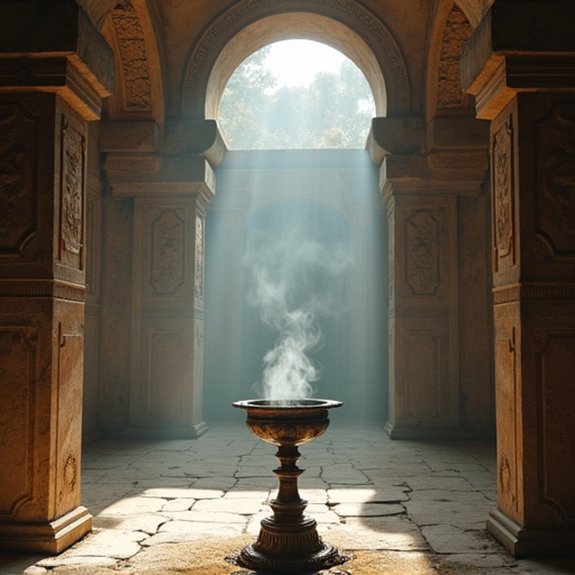
Mystery shrouded the ancient sanctuary at Delphi, where for over a thousand years, pilgrims climbed the slopes of Mount Parnassus to consult Greece’s most powerful oracle. Kings and commoners alike sought the Pythia’s prophecies, believing she channeled Apollo’s divine wisdom. The priestess’s cryptic utterances shaped wars, founded colonies, and determined fates across the Mediterranean world.
Delphi’s influence peaked between the eighth and fourth centuries BCE, when it served as Greece’s spiritual center. The oracle’s reputation spread beyond Greek borders, attracting visitors from Egypt, Persia, and Rome. Modern archaeologists and historians still debate how the Pythia delivered her prophecies and what gave her visions their uncanny accuracy. Recent discoveries suggest geological factors beneath the temple may’ve induced the priestess’s trance-like states.
Pythia’s Sacred Vapors Discovered
While ancient historians dismissed Plutarch’s accounts of intoxicating vapors rising from beneath Apollo’s temple, modern geological surveys have vindicated the Roman writer’s observations. In 2001, geologists discovered two fault lines intersecting directly beneath the temple’s inner sanctum. These fractures released ethylene gas from limestone deposits deep underground.
Scientists analyzed water samples from nearby springs and found traces of methane, ethane, and ethylene. When inhaled, ethylene produces euphoria and trance-like states matching ancient descriptions of the Pythia’s prophetic episodes. The gas concentration wasn’t lethal but sufficient to alter consciousness.
Archaeological evidence supports these findings. The temple’s adyton contained a small enclosed chamber where vapors could’ve accumulated. Plutarch’s testimony that the oracle’s power fluctuated with vapor intensity now makes scientific sense.
Notable Cases or Sightings

The Oracle’s pronouncements shaped the ancient world’s most pivotal moments, drawing kings, generals, and philosophers to seek divine guidance. Croesus, Lydia’s wealthy king, famously misinterpreted the Oracle’s warning that attacking Persia would “destroy a great empire”—it was his own that fell. Before Salamis, Themistocles convinced Athens the Oracle’s “wooden walls” meant naval ships, not fortifications, saving Greece from Persian conquest.
Alexander the Great visited before his campaigns, and the Pythia reportedly declared him invincible. Socrates’ friend Chaerephon asked if anyone was wiser than the philosopher; the Oracle’s “no” launched Socrates’ lifelong quest to understand this pronouncement. Roman emperor Hadrian consulted Delphi about his predecessor’s deification. Even Cicero documented the Oracle’s influence on state decisions throughout Mediterranean civilizations.
Common Theories or Explanations
Scholars have long debated whether natural phenomena enhanced the Oracle’s prophetic abilities at Delphi. Geological studies reveal fault lines beneath the temple that may’ve released ethylene gas, causing the Pythia’s trance-like states. Ancient writers described sweet vapors rising from fissures in the earth.
Modern researchers propose multiple theories. Some argue the priestesses used laurel leaves or other psychoactive plants during rituals. Others suggest theatrical performance and clever interpretation techniques created the illusion of divine knowledge. The priests who translated the Pythia’s utterances likely shaped vague pronouncements into seemingly accurate prophecies.
Political influence can’t be dismissed either. Delphi’s strategic location and wealth made it a powerful institution where priests possessed extensive intelligence networks. They’d gather information from pilgrims before consultations, enabling remarkably informed “predictions” about distant events and personal matters.
Frequently Asked Questions
How Much Did Ancient Greeks Pay to Consult the Oracle at Delphi?
Ancient Greeks paid a consultation fee called the “pelanos” to consult the Oracle at Delphi. Wealthy individuals and city-states often paid more, sometimes offering valuable gifts, while the exact amounts varied based on one’s status.
What Happened to the Oracle After Christianity Became Rome’s Official Religion?
Emperor Theodosius I officially closed the Oracle at Delphi in 390 CE when Christianity became Rome’s dominant religion. The temple’s treasures were seized, priestesses dismissed, and the site gradually fell into ruins and abandonment.
Could Women Other Than the Pythia Enter the Inner Temple Sanctuary?
No, ancient sources indicate that women couldn’t enter Apollo’s inner sanctuary except for the Pythia herself. The temple’s sacred space remained strictly off-limits to other females, though they could visit the outer areas and grounds.
How Were New Pythias Selected When the Previous One Died or Retired?
Priests selected new Pythias from among Delphi’s local women who’d lived pure, respectable lives. They didn’t require special training or noble birth, but candidates needed to be past childbearing age and willing to serve Apollo permanently.
What Specific Rituals Did Visitors Perform Before Receiving Their Prophecy?
Visitors first purified themselves at the Castalian Spring, then they’d pay consultation fees and sacrifice animals, usually goats. Priests examined the entrails for favorable omens before pilgrims could enter the temple’s inner sanctum for prophecies.

The Legend of the Snake in the Sky

The Furies / Erinyes: Ancient Wrath Spirits

The Underworld of the Aztecs
About The Author
