Do Some Ghosts Mimic the Living?
The question of whether some ghosts can mimic the living has sparked curiosity across various cultures. Many reports tell of spirits imitating familiar voices or forming visions of deceased loved ones, creating unsettling experiences for witnesses. This raises intriguing questions about the nature of identity and existence after death. What drives these spirits to emulate the living, and what messages might they aim to convey? Exploring these mysteries could unearth more than just ghostly tales.
Introduction

The fascination with ghosts has endured throughout history, as many believe these spectral entities can mimic the living. Reports from various cultures document encounters where spirits impersonate the deceased, blurring the lines between the known and the unknown. People frequently describe experiences of hearing familiar voices or seeing figures reminiscent of loved ones who’ve passed away. Such phenomena often evoke a mix of dread and comfort, raising questions about identity and the afterlife. Investigations into these occurrences reveal psychological and emotional dimensions, as individuals grapple with loss and memory. The allure of spirit mimicry continues to grip the imagination, inviting further exploration into its implications and meanings, while illuminating humanity’s enduring relationship with mortality and the mysteries that lie beyond.
Cultural Beliefs in Spirit Mimicry

While diverse cultures possess unique perspectives on spirit mimicry, a common thread often emerges: the belief that the dead can return to communicate or interact with the living. In many Indigenous cultures, ancestors are believed to visit through dreams or signs, offering guidance or warnings. Similarly, in certain Eastern traditions, spirits can imitate loved ones, providing comfort or closure to the grieving. In contrast, some Western beliefs warn of deceptive spirits, urging caution when dealing with the supernatural. Folklore across the globe showcases varied manifestations of mimicking behavior, from playful apparitions to sinister tricksters. This collective belief underscores humanity’s enduring fascination with life after death and the complex relationship between the living and the deceased.
Notable Cases or Sightings
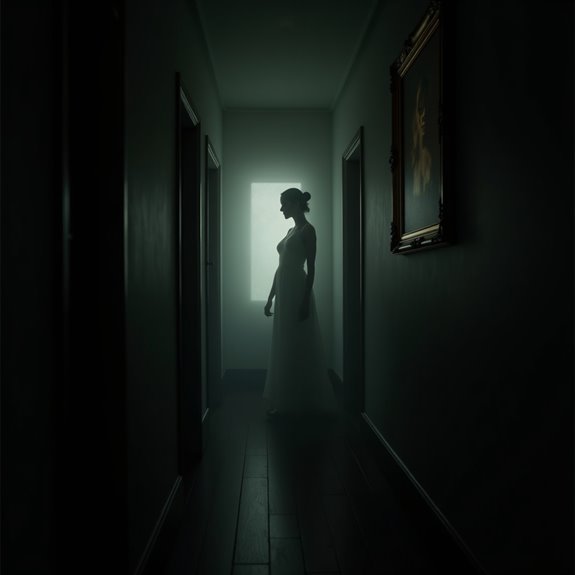
Numerous accounts of spirit mimicry capture the imagination and spark curiosity about the afterlife. One particularly striking case occurred in a small town where witnesses claimed to hear the voice of a deceased resident, calling out their name. The voice, eerily similar to the individual’s, convinced some that the spirit was trying to communicate. In another instance, a family reported seeing their late grandmother sitting in her favorite chair, knitting. When approached, she vanished, leaving behind only a lingering scent of lavender. Such encounters fuel speculation on whether these spirits attempt to comfort loved ones or convey messages from beyond. Each sighting reinforces the belief that some ghosts might truly mimic the living, blurring the line between life and death.
Common Theories or Explanations
As researchers explore the phenomenon of ghostly mimicry, several theories arise to explain these eerie experiences. One popular explanation suggests that spirits may attempt to connect with the living, using familiar voices or actions to evoke emotional responses. Some theorists propose that residual energy from past events can manifest in ways that resemble the living, creating an echo of former behaviors. Others hypothesize that entities may be drawing on the subconscious impressions left by those they once knew. Additionally, some believe that the mimicry could stem from a psychological misinterpretation, where individuals project their memories onto paranormal events. Regardless of the theory, the concept of ghostly mimicry continues to spark curiosity and debate among enthusiasts and researchers alike.
Frequently Asked Questions
Can Ghostly Mimics Impersonate Specific Individuals or Just Generic Voices?
Ghostly mimics can impersonate both specific individuals and generic voices. Witnesses often report hearing familiar sayings or characteristics, suggesting these entities possess a unique capability to replicate specific sounds and mannerisms from the living.
Are There Any Scientific Studies on Ghost Mimicry?
There aren’t any established scientific studies specifically exploring ghost mimicry. Researchers typically focus on paranormal phenomena through anecdotal evidence and personal accounts rather than quantifiable experiments, leading to skepticism about the existence of ghostly impersonation.
How Do Ghost Hunters Detect Spirit Mimicry?
Ghost hunters often use EMF detectors, audio recorders, and temperature sensors to detect spirit mimicry. They look for abnormal readings or sounds that seem to imitate human behavior, signaling potential ghostly presence and interaction.
Do Certain Locations Have Higher Rates of Mimicry Occurrences?
Certain locations, especially those with a tragic history or significant energy, often show higher rates of mimicry occurrences. These areas tend to attract spirits seeking expression, making encounters more frequent and varied for those exploring.
Can Pets Sense Ghostly Mimics Alongside Humans?
Experts believe pets can indeed sense ghostly mimics alongside humans. Their heightened instincts often alert them to unusual energies, allowing them to react differently than their human companions, sometimes sensing phenomena humans can’t perceive.
Related Posts

Haunted Battlefields: The Civil War’s Residue

Poltergeist Activity Through History

Are the Hills of Kentucky Filled With Ghost Towns and Spirits?
About The Author
