Ghost Orbs: Camera Artifacts or Souls?
Mysterious orbs floating through photographs have sparked fierce debate among skeptics and believers for decades. They’ve appeared in everything from Victorian séance images to modern digital photos taken in allegedly haunted locations. Scientists point to dust particles and lens flares, while paranormal investigators claim they’re capturing souls on camera. The truth behind these glowing spheres remains elusive, but recent technological advances might finally reveal what’s really hovering in those frames.
Introduction
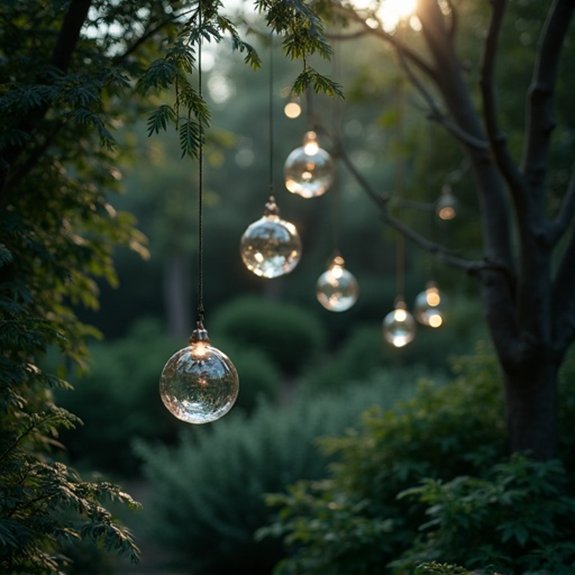
When mysterious floating orbs appear in photographs, they spark fierce debates between paranormal believers and skeptics. These circular anomalies, often translucent and varying in size, have become one of photography’s most controversial phenomena. Ghost hunters claim they’re evidence of spirits manifesting in our physical domain, while photographers and scientists dismiss them as simple camera artifacts.
The orb phenomenon exploded with digital photography’s rise in the early 2000s. Suddenly, everyday photos contained these puzzling spheres that weren’t visible to the naked eye during shooting. They’ve appeared in supposedly haunted locations, family gatherings, and random snapshots alike. This widespread occurrence has fueled countless investigations, documentaries, and heated online discussions about their true nature. Understanding what causes these orbs requires examining both technical photography principles and paranormal theories.
Victorian Séance Photography Experiments
Scientists quickly exposed these images as double exposures and darkroom tricks. Yet séance photographers persisted, developing increasingly sophisticated techniques. They’d manipulate glass plates, use pre-exposed film, and employ accomplices dressed as spirits. Some photographers genuinely believed they’d documented the afterlife, while others knowingly deceived grieving families. These Victorian experiments established photography’s complicated relationship with the paranormal, creating visual conventions that still influence how people interpret mysterious orbs today.
Notable Cases or Sightings
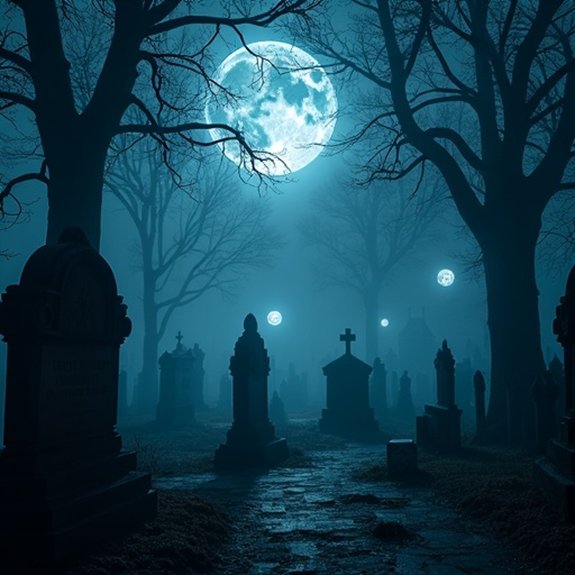
Although thousands of orb photographs flood paranormal forums daily, certain cases have captured widespread attention and sparked intense debate. The Brown Lady of Raynham Hall‘s 1936 photograph shows mysterious light formations alongside the famous apparition. In 2015, a Pennsylvania cemetery’s security cameras recorded moving orbs that couldn’t be explained by insects or dust particles. The footage went viral after investigators ruled out conventional causes.
Japan’s Aokigahara Forest has produced compelling orb evidence. Multiple photographers have captured identical orb patterns in the same locations years apart. Arizona’s Superstition Mountains yield consistent orb activity near historical massacre sites. Professional photographer Klaus Heinemann documented over 100,000 orb images, publishing research that challenges the dust particle theory. His work at spiritual sites shows orbs responding to human intention and appearing in predictable patterns.
Common Theories or Explanations
Because orb photographs generate such passionate disagreement, researchers have developed multiple theories to explain these mysterious spheres. Scientists argue they’re simply airborne particles—dust, pollen, or moisture droplets—illuminated by camera flash. These particles reflect light directly back into the lens, creating circular artifacts that appear supernatural.
Paranormal investigators counter with the spirit theory. They claim orbs represent souls or energy manifestations from deceased individuals attempting communication. Some theorists propose they’re interdimensional beings briefly visible through photography.
A middle ground exists among researchers who acknowledge most orbs are explainable through physics while remaining open to anomalous cases. They’ve noted differences between dust orbs and unexplained phenomena, citing variations in movement patterns, self-illumination, and appearance without flash photography. Digital camera sensors‘ increased sensitivity has intensified this debate.
Frequently Asked Questions
Can Ghost Orbs Be Captured Using Smartphone Cameras or Only Professional Equipment?
Ghost orbs can appear in both smartphone and professional camera photos. They’re typically caused by dust particles, moisture, or insects reflecting the camera’s flash. Smartphones actually capture them frequently because they often use built-in flash in low-light conditions.
Do Ghost Orbs Appear More Frequently in Certain Weather Conditions?
Ghost orbs appear more frequently in humid, dusty, or cold conditions. Moisture droplets, dust particles, and condensation create reflective surfaces that cameras capture as orb-like anomalies. Rain, fog, and temperature changes increase these photographic artifacts.
What Camera Settings Should I Use to Avoid Capturing False Orb Artifacts?
Photographers can minimize false orb artifacts by avoiding flash photography, cleaning their lens regularly, and increasing shutter speed. They’ll also reduce orbs by using lower ISO settings and ensuring proper focus to prevent dust particles from appearing spherical.
Are There Specific Locations Where Ghost Orbs Are More Commonly Photographed?
Photographers commonly capture orb artifacts in dusty environments like old buildings, basements, and attics. They’re also frequent in outdoor settings with moisture, pollen, or insects. Cemeteries and reportedly haunted locations don’t produce more genuine orbs.
Can Pets or Animals See Ghost Orbs That Humans Cannot Detect?
Many pet owners claim their cats and dogs track invisible movements that coincide with orb appearances in photos. Animals’ different visual spectrums and heightened senses might detect phenomena humans can’t perceive, though science hasn’t confirmed this.
The Phantom Hitchhiker Phenomenon Explained

The Phantom Train of Gettysburg

Why Do Ghost Stories Often Involve Children?
About The Author
