Ghosts in the Swamps: Bayou Hauntings
The bayous of Louisiana don’t just preserve nature—they’ve trapped centuries of violent history within their murky waters. Local historians can’t explain why certain swamps attract more paranormal reports than others, yet the pattern’s undeniable. From antebellum tragedies to modern-day encounters, these wetlands harbor something that defies scientific explanation. What witnesses describe isn’t folklore anymore; it’s become Louisiana’s most disturbing phenomenon.
Introduction
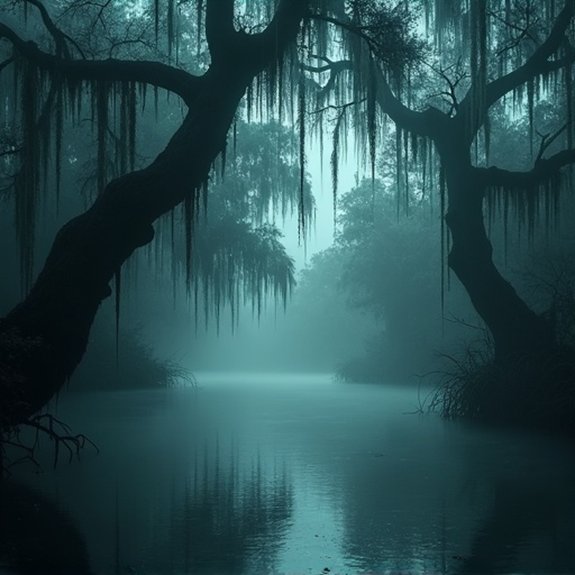
Why do the misty bayous of Louisiana hold such a powerful grip on the American imagination when it comes to ghost stories? These waterways aren’t just swamps—they’re repositories of centuries-old tragedies, where Spanish moss drapes like funeral shrouds over cypress trees that’ve witnessed everything from pirate raids to Civil War battles.
The bayous create perfect conditions for supernatural tales. Their isolation breeds unease. Fog rolls across dark water, distorting shapes and sounds. Wildlife calls echo strangely through humid air. Here, where land and water blur together, the boundary between living and dead seems equally uncertain.
Local culture amplifies these haunted atmospheres. Voodoo traditions, Creole folklore, and Catholic mysticism blend into unique spiritual beliefs. Generations of storytellers have woven these elements into tales that make Louisiana’s bayous America’s most haunted waterways.
Antebellum Plantation Tragedy Roots
When plantation owners built their grand estates along Louisiana’s bayous before the Civil War, they couldn’t have imagined how their cruelty would echo through centuries. These waterside mansions witnessed unspeakable violence against enslaved people, creating layers of trauma that locals believe permanently marked the landscape.
Historians document countless tragedies: families torn apart at auction blocks, workers dying in sugar cane fields, and brutal punishments that ended in death. The isolated bayou locations made escape nearly impossible. Swamps became both graveyards and hiding places for those who tried running.
Today’s reported hauntings often trace directly to documented antebellum horrors. Witnesses describe hearing chains rattling where shackles once bound human beings. They’ve seen figures in period clothing near former slave quarters. These manifestations typically occur at sites of recorded violence.
Notable Cases or Sightings
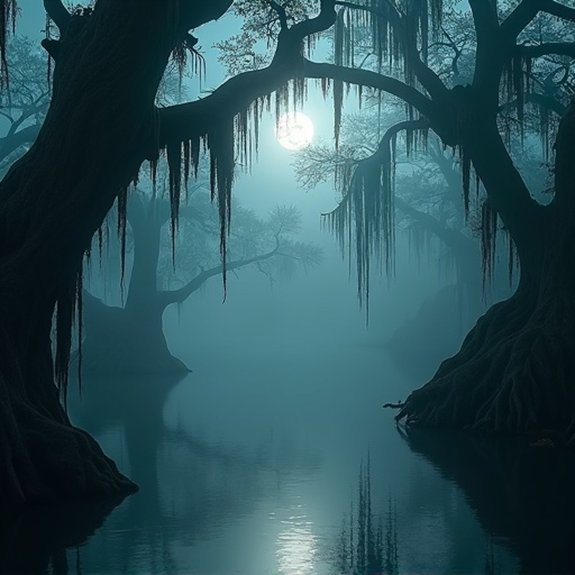
Three distinct paranormal encounters have shaped the bayou’s haunted reputation among both locals and visiting investigators. In 1987, fishermen near Lake Verret reported seeing a woman in white walking across the water’s surface before vanishing into mist. She’s appeared dozens of times since, always at dawn.
The Manchac Swamp‘s most documented case involves the Rougarou sightings. Multiple witnesses have described a seven-foot creature with glowing eyes stalking hunters’ camps. Trail cameras captured unexplained shadows in 2019.
Perhaps most unsettling, tour guides at Oak Alley Plantation consistently report children’s laughter echoing from empty slave quarters. Visitors’ phones malfunction near the buildings, and EVP recordings have captured voices speaking French Creole. These phenomena intensify during October, drawing paranormal researchers annually.
Common Theories or Explanations
Scientists and folklore experts have developed several frameworks to explain these persistent bayou phenomena. They’ve identified swamp gas emissions, particularly methane from decaying vegetation, as the source of mysterious lights witnesses often report. The gas ignites spontaneously, creating brief, floating flames that appear supernatural in foggy conditions.
Psychological factors also play essential roles. The isolation and darkness of bayous trigger heightened anxiety, making visitors more susceptible to misinterpreting natural sounds and shadows. Local storytelling traditions reinforce these experiences, creating expectation bias among those entering the swamps.
Environmental acoustics contribute notably to reported hauntings. Water and dense vegetation create unusual echo patterns, distorting animal calls into seemingly human voices. Additionally, infrasound—frequencies below human hearing—produced by water movement and wind can cause unexplained feelings of dread and visual hallucinations.
Frequently Asked Questions
What Safety Precautions Should I Take When Ghost Hunting in Bayou Areas?
Ghost hunters should bring waterproof flashlights, insect repellent, and first-aid kits. They’ll need sturdy boots for muddy terrain, inform someone of their location, and watch for alligators, snakes, and unstable ground while investigating.
Are There Specific Times of Year When Bayou Ghost Sightings Increase?
Local historians report that bayou ghost sightings spike during October through November and late spring. They’ve noticed increased paranormal activity coincides with foggy conditions, full moons, and anniversary dates of historical tragedies in the swamplands.
Which Louisiana Bayous Are Considered the Most Haunted by Locals?
Locals consider Manchac Swamp Louisiana’s most haunted bayou, where Julie White’s ghost supposedly curses visitors. Honey Island Swamp’s legendary creature terrifies believers, while Atchafalaya Basin’s phantom lights and Jean Lafitte’s spirits create supernatural hotspots.
Can I Hire Professional Guides for Paranormal Tours of Haunted Bayous?
Yes, visitors can hire professional paranormal tour guides for Louisiana’s haunted bayous. Several companies offer nighttime boat tours through Manchac Swamp and Honey Island, where guides share ghost stories and use equipment to detect supernatural activity.
What Equipment Do Investigators Typically Use When Researching Bayou Hauntings?
Paranormal investigators typically bring EMF detectors, digital voice recorders, infrared cameras, and temperature guns to bayous. They’ll also carry waterproof cases, flashlights, and motion sensors to capture evidence in the challenging swamp environment.
Are the Ghosts of Dead Miners Still Working the Silver Mines?

The Poltergeist of Rosenheim: Germany’s Case
The Haunted Mines of Virginia
About The Author
