Haunted Mountain Passes
Mountain passes have witnessed centuries of human tragedy, from frozen travelers to violent ambushes along ancient trade routes. These narrow corridors between peaks don’t just connect destinations—they’ve become supernatural highways where the living encounter something unexplained. Whether it’s phantom lights dancing above treacherous switchbacks or ghostly processions that vanish into thin air, these elevated passages hold secrets that defy rational explanation. What’s really happening up there remains contested.
Introduction
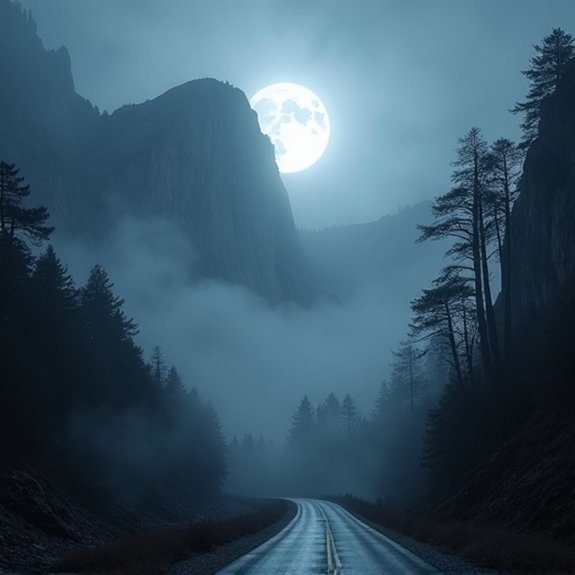
When travelers venture through remote mountain passes at night, they often report experiences that defy logical explanation—phantom lights dancing across rocky cliffs, disembodied voices echoing through fog-shrouded valleys, and the unmistakable feeling of being watched by unseen eyes. These elevated corridors have collected centuries of folklore, tragedy, and unexplained phenomena that’ve transformed them into supernatural hotspots.
Mountain passes serve as natural boundaries where weather patterns collide, creating atmospheric conditions that blur reality’s edges. They’re places where countless souls have perished from avalanches, exposure, and accidents. Local communities preserve stories of spectral stagecoaches, vanishing hitchhikers, and ghostly processions that appear during specific weather conditions. Whether these accounts stem from altitude-induced hallucinations, electromagnetic anomalies, or genuine paranormal activity, they’ve permanently marked certain passes as portals between worlds.
Ancient Trade Route Deaths
Long before modern highways carved through mountain ranges, merchants and traders navigated treacherous alpine paths that claimed thousands of lives over centuries of commerce. The Silk Road’s Pamir passes buried entire caravans beneath sudden avalanches, while Europe’s St. Bernard Pass swallowed Roman legions in blizzards. Peru’s Abiseo trail saw countless silver merchants plummet into fog-shrouded ravines.
These routes weren’t just dangerous—they were deadly by design. Bandits exploited blind corners and narrow ledges to ambush travelers. Altitude sickness struck without warning. Pack animals lost footing on ice-slicked stones, dragging their handlers into chasms. Historical records from China’s Tea Horse Road document over 10,000 deaths between the Tang and Ming dynasties alone. Today’s mountain communities still tell stories of ghostly caravans that never reached their destinations.
Notable Cases or Sightings
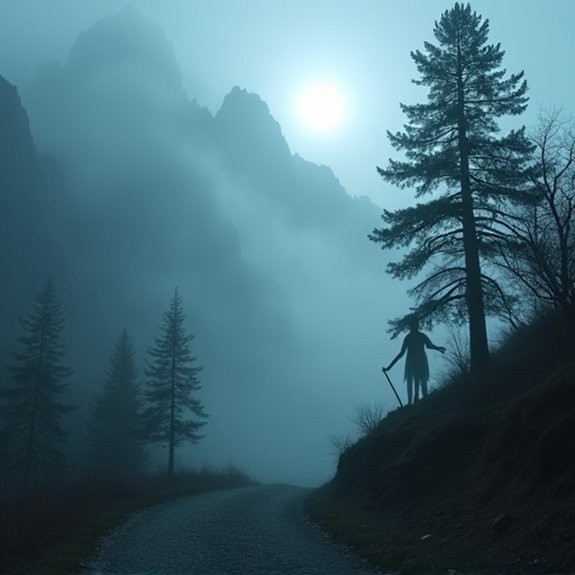
Something moves through Colorado’s Independence Pass on winter nights—witnesses describe a translucent wagon train that vanishes when approached. In 2019, three hikers reported hearing wooden wheels creaking and oxen bellowing despite the pass’s closure to vehicles. They filmed fourteen seconds of shifting mist before their cameras malfunctioned.
Switzerland’s Gotthard Pass harbors its own mysteries. Truck drivers won’t discuss what they’ve seen near Devil’s Bridge, though locals know why some refuse night shifts. A tour bus passenger photographed a medieval procession in 2021—the image showed only empty road when developed.
Pakistan’s Khyber Pass guards share stories of phantom armies marching at dawn. British colonial records from 1897 match modern sightings: silent battalions that dissolve in morning light, leaving no footprints in sand.
Common Theories or Explanations
Because mountain passes funnel extreme weather through narrow corridors, scientists point to atmospheric phenomena as likely culprits. Temperature inversions trap sound waves, creating echoes that travelers mistake for voices. Ball lightning and St. Elmo’s fire produce ghostly lights that dance across rocky peaks during storms.
Psychologists suggest isolation and altitude affect perception. Oxygen deprivation at high elevations triggers hallucinations, while exhaustion makes hikers more susceptible to suggestion. The brain’s pattern recognition systems work overtime in unfamiliar terrain, transforming shadows into figures.
Geologists note that certain rock formations contain magnetic minerals that interfere with navigation equipment and possibly affect brain chemistry. Underground water flowing through limestone creates infrasound—frequencies below human hearing that cause unease and visual distortions. These natural explanations don’t diminish witnesses’ experiences but offer rational frameworks for understanding them.
Frequently Asked Questions
What Safety Equipment Should I Bring When Visiting Reportedly Haunted Mountain Passes?
They’ll need flashlights, extra batteries, first aid kit, emergency blankets, flares, GPS device, charged phone with portable charger, water, high-energy snacks, warm clothing, sturdy boots, whistle, and rope. Weather conditions change rapidly in mountain terrain.
Are There Specific Times of Year When Paranormal Activity Increases?
Most paranormal investigators report heightened activity during autumn months, particularly October through November. They’ve documented increased sightings during full moons, winter solstices, and anniversary dates of historical tragedies that occurred at specific mountain passes.
Can I Hire Local Guides Who Specialize in Haunted Pass Tours?
Yes, travelers can hire specialized guides who’ve studied local ghost stories and paranormal hotspots in mountain passes. They’ll find these experts through regional tourism boards, paranormal investigation groups, or adventure tour companies offering supernatural-themed expeditions.
Do Weather Conditions Affect the Frequency of Supernatural Encounters?
Weather conditions strongly influence supernatural encounters in mountain passes. Locals report ghosts appear more frequently during fog, storms, and temperature inversions. Electromagnetic disturbances from lightning also correlate with increased sightings. Clear nights show fewer manifestations.
Are There Any Legal Restrictions on Investigating Paranormal Activity in These Areas?
Most haunted mountain passes don’t have specific paranormal investigation restrictions, but researchers must follow standard regulations. They’ll need permits for restricted areas, can’t trespass on private property, and must observe park hours and environmental protection laws.

Technology and the Search for Spirits
The Temple of the Jaguar God
The Witches’ House: Haunted Homes by Legend
About The Author
