Phantom Lights in Abandoned Mines
Witnesses have reported strange lights floating through abandoned mines for over two millennia. They’ve described orbs that drift through tunnels, flames that burn without fuel, and glows that pulse in darkness. Scientists can’t fully explain these phenomena, though many have tried. From ancient Roman silver mines to modern-day shaft collapses, the lights appear worldwide. What’s causing them remains one of mining history’s most persistent mysteries.
Introduction
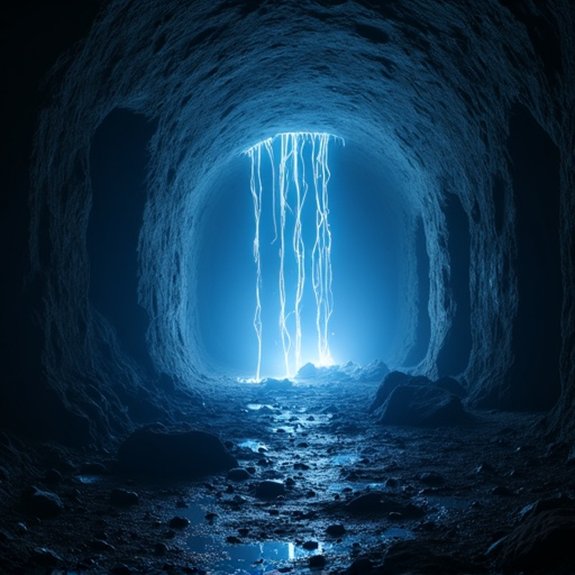
When explorers venture into abandoned mines, they sometimes encounter mysterious lights that seem to have no earthly source. These phantom lights have captivated miners, researchers, and paranormal enthusiasts for centuries. They’re described as floating orbs, flickering flames, or steady glows that appear in the darkness of forgotten tunnels and shafts.
Reports of these phenomena come from mining regions worldwide, from Cornwall’s tin mines to Colorado’s gold deposits. Witnesses often describe lights that move independently, vanish when approached, or maintain impossible positions in flooded passages. While skeptics attribute these sightings to natural gases, mineral phosphorescence, or optical illusions, many accounts defy conventional explanations. The consistency of reports across different cultures and time periods suggests there’s more to these underground mysteries than mere folklore or misidentification.
Ancient Roman Silver Mines
The silver mines of ancient Rome hold some of history’s earliest documented accounts of mysterious underground lights. Roman historians recorded strange phenomena in the extensive mining networks throughout the empire, particularly in Spain’s Rio Tinto region and Britain’s Mendip Hills. Pliny the Elder described flickering blue flames that’d appear without heat in abandoned galleries, terrifying workers who believed they were spirits of dead miners.
Archaeological evidence suggests Romans encountered methane pockets and phosphorescent minerals, but they couldn’t explain these scientifically. They’d often abandon productive veins after witnessing such lights, considering them warnings from underground deities. Modern researchers have found high concentrations of phosphorus and sulfur compounds in these locations, which can produce luminescence under specific conditions. These ancient accounts provide valuable baseline data for understanding how phantom lights have influenced mining practices throughout history.
Notable Cases or Sightings
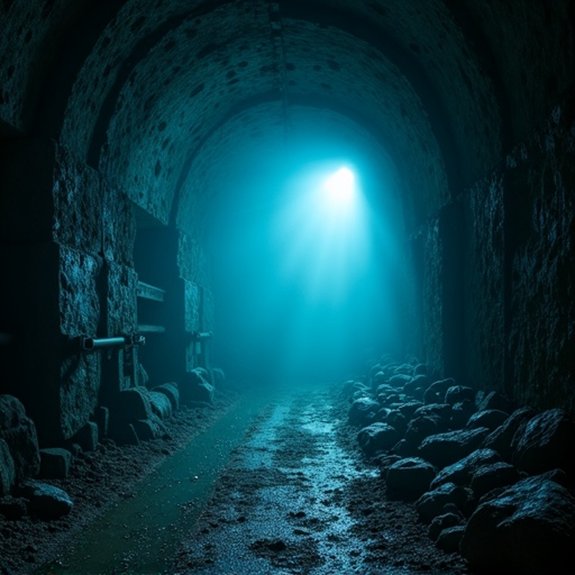
Several documented cases of phantom lights have captivated researchers and terrified witnesses across different continents. Colorado’s Mammy Mine has produced reports of bluish orbs floating through tunnels since 1903, when three miners vanished after following mysterious lights deeper underground. They’ve never been found.
Britain’s Creswell Crags limestone mines feature dancing white lights that witnesses describe as “intelligent” in movement. In 2018, a BBC crew filmed unexplained luminous phenomena there that defied conventional explanation.
Australia’s Kalgoorlie mines aren’t exempt from these occurrences. Miners there’ve reported green phosphorescent glows that retreat when approached, leading some workers to refuse night shifts. Japan’s abandoned Hashima coal mines display red lights that pulse rhythmically, witnessed by urban explorers who’ve documented the phenomena on video since 2009.
Common Theories or Explanations
Four primary theories attempt to explain phantom lights in abandoned mines, though none fully account for all reported phenomena. Scientists first propose that bioluminescent fungi or bacteria create the eerie glows. These organisms thrive in damp, dark conditions and emit greenish-blue light through chemical reactions.
The second explanation involves gases like methane and phosphine. When these escape from decomposing organic matter and mix with oxygen, they’ll sometimes ignite spontaneously, producing brief flashes of light.
Piezoelectric effects form the third theory. Geological stress on quartz-bearing rocks generates electrical discharges that manifest as visible light.
Finally, psychological factors can’t be dismissed. Sensory deprivation in pitch-black environments causes the brain to manufacture visual stimuli. Witnesses’ expectations and fear amplify these hallucinations, creating shared experiences among groups.
Frequently Asked Questions
Is It Safe to Investigate Phantom Lights in Abandoned Mines?
No, it isn’t safe. Investigators shouldn’t enter abandoned mines due to deadly hazards like toxic gases, unstable structures, cave-ins, and oxygen depletion. These dangers aren’t worth risking one’s life to explore unexplained light phenomena.
What Equipment Do Researchers Use to Study Mine Phantom Lights?
Researchers use EMF detectors, infrared cameras, gas monitors, and spectrum analyzers to study mine phantom lights. They’ll also carry temperature sensors, video equipment, and methane detectors to determine if the lights are natural phenomena or unexplained.
Can Phantom Lights in Mines Be Photographed or Recorded on Video?
Yes, researchers have captured phantom lights on video and in photographs, though skeptics argue these recordings often show dust particles, moisture, or equipment reflections. Digital cameras sometimes detect anomalies that witnesses didn’t see directly.
Do Phantom Lights Appear More Frequently During Certain Times of Year?
Researchers haven’t found seasonal patterns for phantom lights in abandoned mines. They’ve documented sightings year-round without clear peaks. Some witnesses claim they’re more common in winter, but investigators attribute this to increased darkness hours.
Are There Any Documented Injuries Caused by Encountering Phantom Mine Lights?
Researchers haven’t documented any direct injuries from phantom mine lights themselves. However, investigators’ve recorded accidents when startled witnesses fell or ran into obstacles while fleeing. Most injuries occur from panic reactions rather than the phenomena.
The Ghosts of Pompeii: Ash-Bound Spirits

The Spirit Well: Ghosts in Wells

What Lies Beneath the Great Lakes Triangle?
About The Author
