Spirits of the Titanic: Underwater Hauntings
Deep beneath the Atlantic’s surface, the Titanic’s wreckage holds more than twisted metal and scattered belongings. Expedition teams have reported unexplained phenomena that defy conventional explanation—ghostly lights dancing through corridors, acoustic signatures that shouldn’t exist, and shadowy forms captured on underwater cameras. These encounters raise an unsettling question: did something other than artifacts survive the ship’s descent into darkness over a century ago?
Introduction
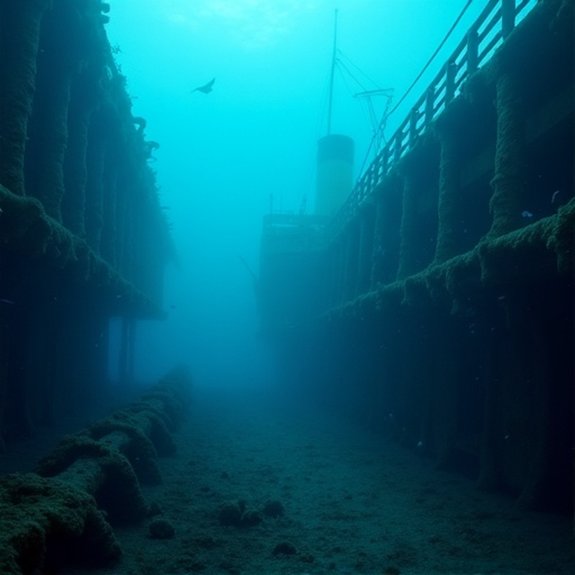
The RMS Titanic’s tragic sinking on April 15, 1912, claimed over 1,500 lives in the frigid North Atlantic waters, yet the ship’s legacy extends far beyond historical records and maritime disasters. Deep-sea explorers and researchers who’ve visited the wreck site report unexplained phenomena that can’t be attributed to equipment malfunctions or ocean currents. They’ve documented mysterious lights flickering through portholes, shadowy figures moving across the deteriorating decks, and acoustic anomalies resembling human voices in their recordings.
These accounts aren’t limited to amateur ghost hunters. Seasoned submarine operators, marine archaeologists, and documentary filmmakers have independently reported similar experiences during expeditions to the wreck, which rests 12,500 feet below the surface. Their testimonies suggest that something otherworldly persists within the Titanic’s corroding hull.
Night of April 14, 1912
As midnight approached on April 14, 1912, passengers aboard the Titanic enjoyed what would become their final evening of normalcy—dancing in the first-class lounge, playing cards in the smoking rooms, and retiring to their cabins after dinner service. The ship’s band played ragtime melodies while stewards served nightcaps to lingering guests. Captain Smith dined with the Wideners before making his rounds on the bridge.
At 11:40 PM, lookouts Frederick Fleet and Reginald Lee spotted an iceberg directly ahead. Fleet rang the warning bell three times and telephoned the bridge: “Iceberg, right ahead!” First Officer Murdoch ordered “hard-a-starboard” and reversed the engines, but it wasn’t enough. The berg scraped along the starboard side, sending chunks of ice tumbling onto the deck. Within minutes, seawater began flooding the ship’s lower compartments.
Notable Cases or Sightings
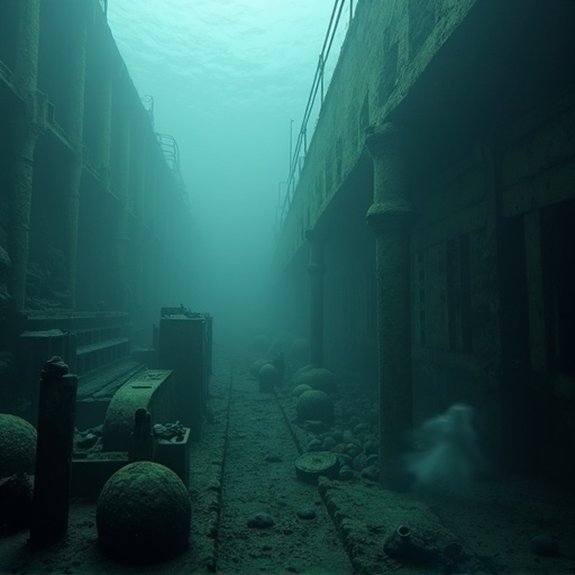
Since that fateful night when 1,517 souls perished in the North Atlantic, numerous witnesses have reported encountering unexplained phenomena linked to the disaster. In 1977, Second Officer Leonard Bishop aboard the SS Winterhaven documented seeing a massive ocean liner’s lights where no ship existed. The vessel vanished after sending unidentified morse code signals.
Deep-sea explorer Dr. Robert Ballard’s team reported equipment malfunctions and phantom SOS transmissions during their 1985 wreck discovery. Crew members heard period music through sealed compartments. Tourist submarines visiting the site’ve recorded mysterious tapping sounds on their hulls—matching patterns survivors described hearing from trapped passengers. Captain William Smith’s 2004 expedition captured thermal images of human-shaped figures near the grand staircase. Multiple witnesses’ve independently reported seeing a woman in Edwardian dress walking the debris field.
Common Theories or Explanations
While skeptics attribute these phenomena to natural causes, several theories attempt to explain the Titanic’s paranormal activity. Believers suggest the traumatic nature of the disaster created an energy imprint on the location, trapping souls who weren’t prepared for death. This “residual haunting” theory proposes that intense emotions from 1,500 victims left permanent psychic impressions in the water.
Others point to unfinished business—passengers who didn’t reach lifeboats may remain bound to the wreck, searching for loved ones or trying to complete their journey. Maritime folklore also supports the idea that sudden deaths at sea prevent spirits from crossing over.
Paranormal researchers claim the ship’s iron structure acts as a conductor for electromagnetic energy, creating conditions that manifest supernatural activity. They’ve noted increased readings near the debris field.
Frequently Asked Questions
Can Tourists Visit the Titanic Wreck Site to Investigate Paranormal Activity?
No, tourists can’t visit the Titanic wreck site for paranormal investigations. The wreck lies 12,500 feet underwater in the North Atlantic, requiring specialized submersibles and millions of dollars. Only scientific expeditions and researchers access it.
What Equipment Do Paranormal Investigators Use for Underwater Ghost Detection?
Paranormal investigators can’t use traditional ghost-hunting equipment underwater. They’d theoretically need modified EMF detectors, waterproof thermal cameras, and specialized hydrophones for capturing EVPs through water pressure. However, no legitimate underwater paranormal investigations have occurred at such depths.
Have Any Survivors Reported Experiencing Hauntings Related to the Titanic?
Several Titanic survivors reported haunting experiences, including Eva Hart who’d hear screams in nightmares, and Violet Jessop who claimed she felt phantom presences. Some survivors wouldn’t discuss their experiences, believing the ship’s spirits followed them home.
Are There Specific Times When Underwater Titanic Hauntings Are Most Active?
Divers and researchers haven’t documented specific times when Titanic’s underwater hauntings increase. They’ve reported unexplained phenomena occurring randomly throughout expeditions, though some claim anniversary dates of the sinking show heightened paranormal activity at the wreck site.
Do Other Shipwrecks Report Similar Paranormal Phenomena as the Titanic?
Yes, they’ve documented similar phenomena at other wrecks. Divers report ghostly figures at the Edmund Fitzgerald, phantom voices near the Lusitania, and unexplained lights around the Andrea Doria. Each wreck carries its own supernatural reputation.

The João De Deus House Haunting: Brazil’s Horror
The Poltergeist of Rosenheim: Germany’s Case

Who Haunts the Winchester Mystery House?
About The Author
