The Hauntings of the Royal Palaces
Britain’s royal palaces don’t just house crown jewels and portraits—they’re home to centuries-old ghost stories that won’t die. From Anne Boleyn’s headless specter at the Tower of London to Catherine Howard’s screaming phantom at Hampton Court, these palatial hauntings have persisted through generations. What’s driven countless witnesses to report these supernatural encounters in places where royalty once lived, loved, and lost their heads?
Introduction
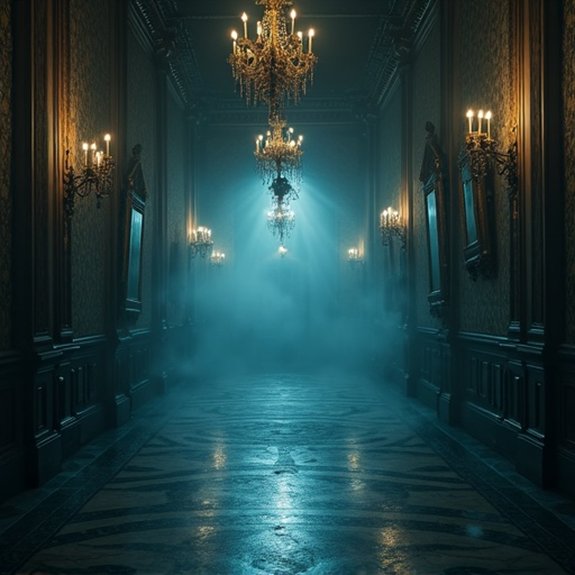
While Britain’s royal palaces showcase centuries of architectural grandeur and political power, they’re equally famous for the ghostly inhabitants who allegedly refuse to leave. These historic buildings have witnessed royal births, deaths, executions, and conspiracies spanning nearly a millennium. Each palace harbors its own collection of supernatural tales, from headless queens wandering Hampton Court’s galleries to phantom drummers echoing through Edinburgh Castle’s stone corridors.
Staff members, visitors, and even royals have reported unexplained encounters that’ve persisted for generations. Cold spots, mysterious footsteps, and apparitions in period dress appear with such regularity that ghost tours now rank among these palaces’ most popular attractions. Whether one believes in the paranormal or not, these stories reveal the violent, tragic histories embedded within Britain’s most prestigious addresses.
Medieval Executions Spawned Legends
Though modern tourists snap selfies where scaffolds once stood, the Tower of London’s execution sites remain the epicenter of Britain’s most enduring ghost stories. Anne Boleyn’s 1536 beheading sparked the fortress’s most famous haunting—guards still report seeing her headless figure gliding across Tower Green.
Medieval executions weren’t just punishments; they were public spectacles that burned into collective memory. The brutal deaths of Thomas More, Lady Jane Grey, and countless others generated tales that’ve persisted for centuries. Each execution added another layer to the palaces’ supernatural reputation.
Royal residences became stages for state-sanctioned violence, and witnesses spread stories of victims’ final moments. These accounts evolved into ghost legends, transforming historical figures into eternal residents who couldn’t leave their execution sites. The bloodshed created a mythology that’s outlasted the monarchy’s absolute power.
Notable Cases or Sightings
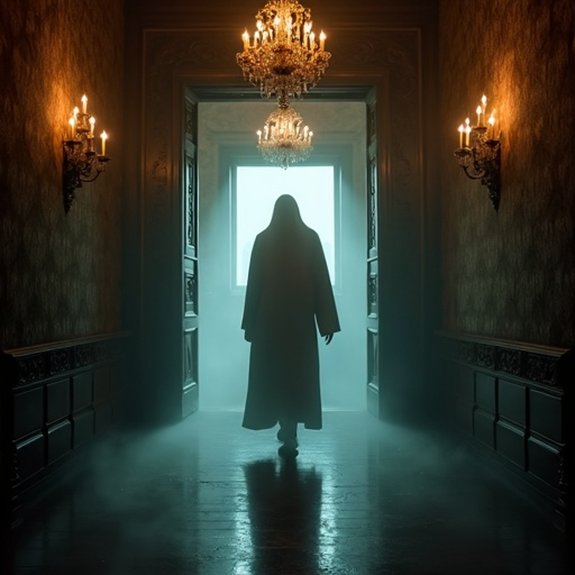
After Churchill saw Lincoln’s ghost at the White House in 1940, he wasn’t the only world leader to report supernatural encounters in royal residences. Queen Elizabeth II herself claimed she’d encountered the spirit of Elizabeth I at Windsor Castle in 1978. The Tudor queen’s apparition allegedly walked through the library’s east wall before vanishing.
Hampton Court Palace’s most documented sighting occurred in 2003 when CCTV cameras captured unexplained footage of heavy fire doors slamming shut repeatedly. Security guards found no one in the area, though the figure of a robed individual appeared briefly on screen.
At the Tower of London, multiple Yeoman Warders have reported seeing Anne Boleyn’s headless form near the chapel since the 1960s. One guard resigned after his encounter in 1972.
Common Theories or Explanations
Since medieval times, scholars and investigators have proposed various explanations for royal palace hauntings. Modern paranormal researchers suggest these phenomena stem from residual energy—traumatic events imprinting themselves onto locations where intense emotions occurred. They believe executions, betrayals, and murders at royal sites create electromagnetic disturbances that replay like recordings.
Skeptics offer psychological explanations instead. They argue that visitors’ expectations, combined with atmospheric conditions in old buildings, trigger misperceptions. Drafts become ghostly touches, settling wood creates footsteps, and shadows transform into apparitions. Some psychologists propose that infrasound—vibrations below human hearing—causes unease and hallucinations in palace corridors.
Historians note that ghost stories‘ve served political purposes, legitimizing dynasties or discrediting rivals. Whether supernatural or psychological, these explanations reveal how palace hauntings reflect humanity’s relationship with power, death, and memory.
Frequently Asked Questions
Can Visitors Book Special Ghost Tours of the Royal Palaces?
Yes, visitors can book special ghost tours at several royal palaces. They’ll explore haunted histories at Hampton Court Palace and the Tower of London, where guides share chilling tales of executed queens and restless spirits.
Which Royal Palace Is Considered the Most Haunted?
The Tower of London’s considered the most haunted royal palace, with numerous ghost sightings reported over centuries. Anne Boleyn’s spirit allegedly walks the grounds, while other executed prisoners’ ghosts supposedly haunt the ancient fortress.
Have Any Royals Publicly Discussed Their Paranormal Experiences?
Yes, Queen Elizabeth II once mentioned feeling her father King George VI’s presence at Windsor Castle. Prince Charles has spoken about sensing ancestral spirits at Balmoral, though he’s remained diplomatically vague about specific encounters.
Are There Specific Times When Ghostly Activity Increases?
Paranormal investigators report that ghostly activity at royal palaces intensifies during anniversaries of deaths, executions, or tragic events. Halloween and winter months also see increased sightings, while full moons traditionally heighten supernatural encounters at these historic sites.
Do Palace Staff Receive Training About Dealing With Haunting Reports?
Yes, palace staff receive specialized training on handling paranormal reports from visitors. They’re taught to remain professional, document incidents carefully, and reassure guests while maintaining the palaces’ historical dignity. Some venues even designate specific personnel for such situations.
Do Spirits Still Guard the Gold Rush Ghost Towns?
Haunted Cemeteries After Midnight

Haunted Lighthouses
About The Author
